
Why an Eco Budget Smoothie for Cholesterol Is Worth Your Attention
An eco budget smoothie for cholesterol is one of the smartest, lowest-cost moves you can make for your heart — and the planet. If you want the quick answer, here it is:
Top eco-budget ingredients that help lower cholesterol:
| Ingredient | Cholesterol Benefit | Avg. Cost |
|---|---|---|
| Frozen berries | Antioxidants reduce LDL oxidation | Low |
| Rolled oats | Soluble fiber lowers LDL by 5-10% | Very low |
| Ground flaxseed | Fiber reduces LDL and stabilizes blood sugar | Low |
| Frozen spinach | Fiber, antioxidants, supports artery health | Very low |
| Frozen avocado | Monounsaturated fats lower LDL, raise HDL | Moderate |
| Chia seeds | Omega-3s and fiber for heart health | Low |
Blend any combination of the above with unsweetened plant milk for a quick, effective daily smoothie.
Here’s a surprising fact: only 12% of U.S. adults eat the recommended amount of fruit each day. Meanwhile, high cholesterol affects nearly 86 million American adults. These two problems have a surprisingly affordable, sustainable solution in common.
The good news? You don’t need expensive superfoods or a $500 blender. Frozen fruits and vegetables — harvested and frozen at peak ripeness — retain nearly all their nutrients, often outperforming fresh produce that has been sitting in transit for days. They’re cheaper, last 8 to 12 months in your freezer, and create less food waste.
For busy professionals trying to balance a tight budget and a greener lifestyle, this is the kind of practical, no-fluff win that actually sticks.
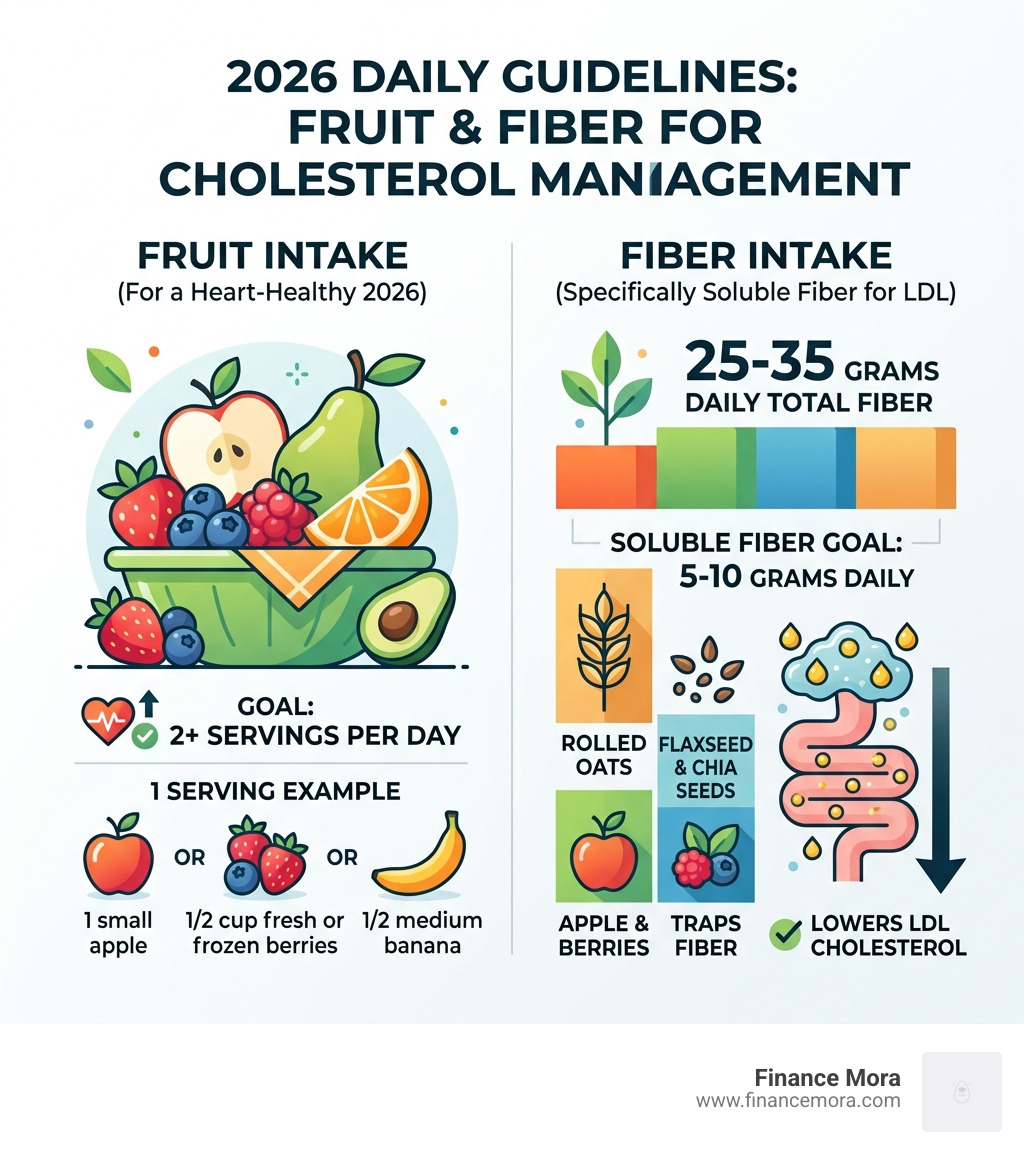
The Science of an Eco Budget Smoothie for Cholesterol
To understand why an eco budget smoothie for cholesterol works, we need to look at the “bad” guy: LDL (low-density lipoprotein). High levels of LDL can lead to plaque buildup in our arteries, increasing the risk of heart disease. However, nature provides us with a toolkit of nutrients that act like a cleanup crew for our bloodstream.
The primary mechanism for lowering cholesterol through diet is soluble fiber. When we consume soluble fiber, it turns into a gel-like substance in our gut. This gel binds to cholesterol and bile acids, dragging them out of the body before they can be absorbed into the bloodstream. Research suggests that consuming just 5 to 10 grams of soluble fiber a day can reduce LDL cholesterol significantly.
Furthermore, monounsaturated fats (found in avocados and nuts) and omega-3 fatty acids (found in seeds) help improve the ratio of “good” HDL cholesterol to “bad” LDL. When we combine these with antioxidants like the anthocyanins found in berries, we prevent LDL from oxidizing—a process that makes cholesterol even stickier and more dangerous to our arterial walls.
According to scientific research on how berries and plant sterols lower LDL, these plant-based compounds mimic the structure of cholesterol and compete for absorption, effectively lowering the amount of cholesterol that enters our system. Additionally, research on the cholesterol-lowering effects of oats and fiber highlights that the beta-glucan in oats is a powerhouse for heart protection.
Essential Add-ins for an Eco Budget Smoothie for Cholesterol
If we want to supercharge our smoothie without emptying our wallets, we need to focus on high-impact, low-cost “boosters.” These are the ingredients that provide the most nutritional “bang for your buck.”
- Flaxseeds and Chia Seeds: These are fiber champions. Just one or two tablespoons can provide up to 5 grams of fiber. We recommend buying them in bulk to save money. Remember to use ground flaxseed, as our bodies can’t digest the whole seeds to access those heart-healthy omega-3s.
- Bulk Rolled Oats: Oats aren’t just for oatmeal bowls. Adding a quarter cup of raw rolled oats to your blender adds a creamy texture and a massive dose of soluble fiber. It’s one of the cheapest ingredients in the grocery store.
- Cacao Nibs or Powder: Raw cacao is packed with polyphenols. Research shows these can help lower bad cholesterol while improving blood flow. A small amount goes a long way in adding a rich, chocolatey flavor.
- Dark Leafy Greens: Spinach and kale are high in fiber and help our bodies produce nitric oxide, which keeps our arteries flexible.
By following NutriBullet Cholesterol Crusher recipe insights, we can see that combining kale, bananas, and almonds creates a nutrient-dense “blast” that targets heart health specifically.
Kid-Friendly Variations of the Eco Budget Smoothie for Cholesterol
Getting the whole family on board with heart health doesn’t have to be a struggle. We know that “green” can sometimes be a scary color for kids. Here is how we make these smoothies family-friendly:
- The “Hidden” Green: Start with mild spinach rather than bitter kale. Spinach blends away into nothingness, especially when paired with dark berries like blueberries or blackberries.
- Naturally Sweet Bases: Use overripe bananas. As bananas brown, they become sweeter, reducing the need for any added sugars or expensive honey.
- Smoothie Popsicles: If the kids won’t drink it, freeze it! Pour your eco budget smoothie for cholesterol into reusable popsicle molds. It becomes a dessert that just happens to be packed with fiber and antioxidants.
- Nut-Free Swaps: If there are school allergies to consider, swap almond butter for sunflower seed butter or simply add more chia seeds for that creamy fat content.
Top Sustainable and Low-Cost Ingredients for Heart Health
When we talk about “eco-budget,” we are looking for the intersection of low price and low environmental impact. This usually means choosing plants over animal products and frozen over fresh (when out of season).

- Soy Milk: Soy is a unique plant protein that has been shown to actively lower LDL cholesterol. It’s often one of the most affordable plant milks available and has a lower carbon footprint than dairy.
- Overripe Bananas: Many grocery stores discount “ugly” or spotted bananas. These are perfect for smoothies! Peel them, break them in half, and freeze them. They act as a natural sweetener and a thickener.
- Avocado: While fresh avocados can be pricey, frozen avocado chunks are a game-changer. They provide monounsaturated fats and fiber without the risk of the fruit going bad before you use it.
To help you decide what to buy, we’ve put together this comparison:
| Feature | Fresh Fruit (Out of Season) | Frozen Fruit (Anytime) |
|---|---|---|
| Cost | High (Imported) | Low to Moderate |
| Nutritional Value | Declines during transit | Peak nutrients locked in |
| Waste Potential | High (Spoilage) | Near zero |
| Eco-Impact | High (Air freight/Water) | Lower (Seasonal harvest) |
| Convenience | Requires washing/prep | Ready to blend |
Why Frozen Fruit Wins for Your Wallet and the Planet
We are big advocates for the freezer aisle. Why? Because frozen fruit is usually picked and frozen within hours of harvest. This “locks in” the vitamins and antioxidants that would otherwise degrade on a shelf.
From an environmental perspective, frozen produce allows us to eat “seasonally” year-round. Instead of flying in fresh strawberries from across the globe in April 2026, we can use berries that were harvested locally during their natural peak and frozen. This significantly reduces the carbon footprint associated with transportation.
Furthermore, the dietitian-backed benefits of frozen produce emphasize that because you only use what you need, you eliminate the 30-40% of fresh produce that typically ends up in the trash. Less waste means more money in your pocket.
How to Build Your Heart-Healthy Blend
Making an eco budget smoothie for cholesterol is an art, but it’s also a science. To ensure you’re getting a balanced meal that actually keeps you full and lowers your numbers, follow our “Golden Ratio” for blending.
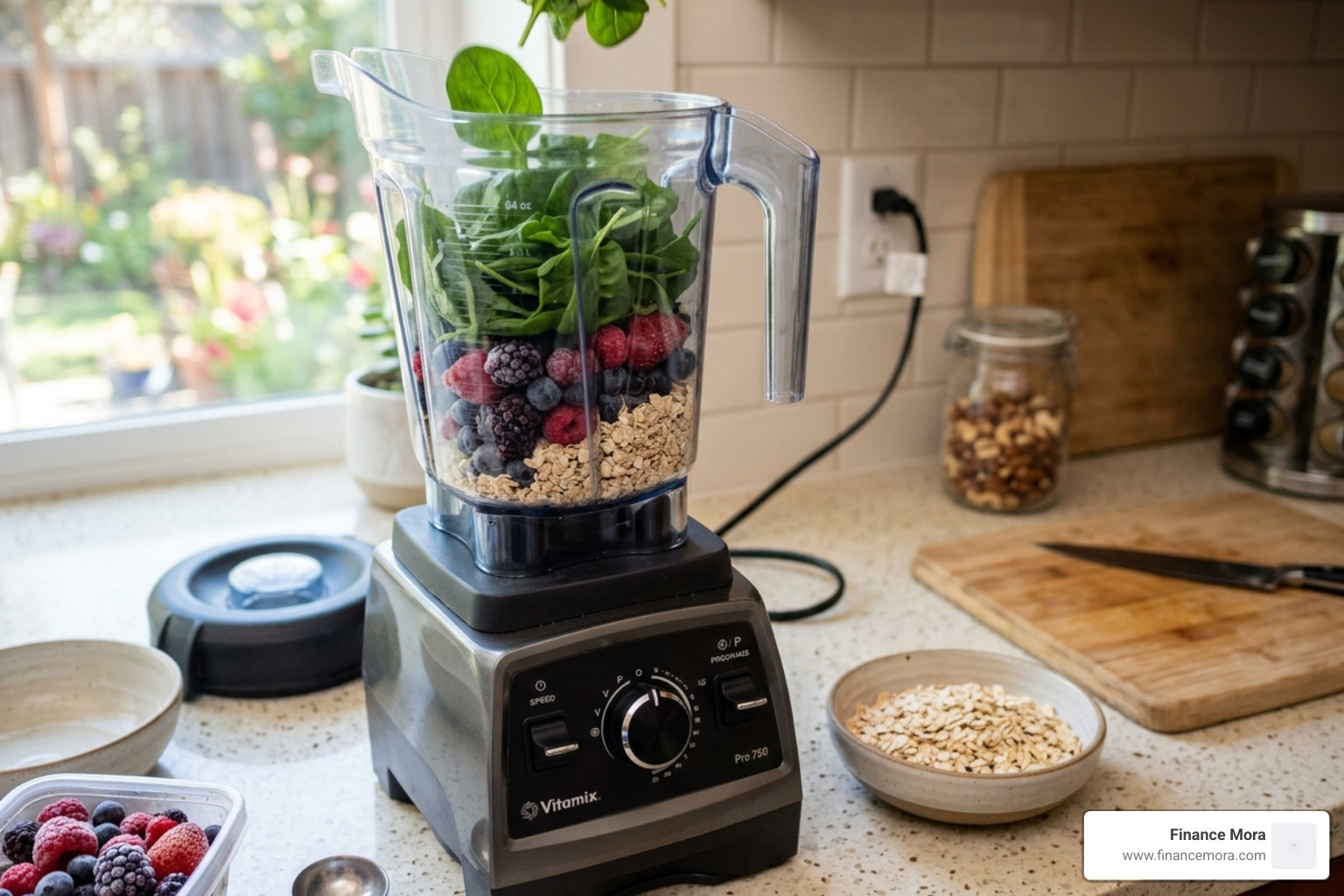
- The Liquid Base (1-2 Cups): Use water, unsweetened soy milk, or oat milk. Avoid fruit juices, as they are high in sugar and stripped of the fiber we need.
- The Greens (1-2 Handfuls): Spinach is the best “beginner” green. If you’re a pro, move to kale or swiss chard.
- The Fiber Core (1/4 Cup): Add rolled oats or a tablespoon of ground flax/chia seeds. This is the “cholesterol-scrubber” part of the drink.
- The Creamy Fat: Add a quarter of an avocado or a tablespoon of natural peanut/almond butter. Healthy fats are essential for absorbing the vitamins in your greens.
- The Fruit (1/2 to 1 Cup): Use frozen berries for antioxidants or a frozen banana for sweetness.
For a foolproof method, check out this step-by-step guide to the perfect cholesterol-lowering smoothie. Pro tip: if you don’t have a high-speed blender, blend your greens and liquid first until they are a “green water,” then add your frozen solids. This prevents chunky, leafy bits!
Smart Sourcing: Maximizing Nutrition While Minimizing Waste
Living sustainably in April 2026 means being a conscious consumer. Here are our favorite ways to source ingredients for your eco budget smoothie for cholesterol:
- Bulk Buying: Grains, seeds, and nuts are significantly cheaper in the bulk bins. Bring your own reusable jars to the store to reduce plastic waste.
- Local Sourcing: Visit farmers’ markets at the end of the day. Farmers often sell overripe fruit (perfect for freezing) at a fraction of the price.
- Meal Prep “Smoothie Packs”: Spend 20 minutes on a Sunday portioning out your greens, fruits, and seeds into reusable silicone bags. In the morning, you just dump the bag into the blender, add liquid, and go. This saves time and ensures you don’t reach for a processed, high-cholesterol breakfast when you’re in a rush.
These tips for making smoothies ahead to save time are essential for maintaining the habit. Consistency is the most important factor in seeing a real change in your cholesterol levels.
Frequently Asked Questions about Cholesterol Smoothies
How much fiber is needed daily for cholesterol management?
The general RDA (Recommended Dietary Allowance) for fiber is 25 grams for women and 38 grams for men. However, most adults only consume about 10-15 grams. To see a significant impact on cholesterol, we aim for at least 10 grams of soluble fiber specifically. One well-crafted eco budget smoothie for cholesterol can easily provide 12-15 grams of total fiber, getting you halfway to your goal before lunch!
Can I use water instead of plant milk to save money?
Absolutely! Water is the most eco-friendly and budget-friendly liquid there is. If you find the smoothie isn’t creamy enough with water, add a few more oats or a bit of frozen banana. Coconut water is another great option for added electrolytes, though it can be more expensive.
Are high-speed blenders necessary for green smoothies?
While a high-speed blender (like a Vitamix or NutriBullet) makes the texture smoother, you can use any blender you have. To get the best results with a standard blender, thaw your frozen fruit for 5 minutes before blending and always pulse the greens with the liquid first.
Conclusion
At Finance Mora, we believe that your financial health and your physical health are deeply connected. By choosing an eco budget smoothie for cholesterol, you aren’t just saving money on expensive supplements or healthcare costs down the road; you’re investing in a sustainable lifestyle that respects both your wallet and our planet.
Heart health doesn’t require a luxury budget. It requires smart choices, bulk-bought seeds, and a bag of frozen berries. We hope this guide empowers you to start your journey toward smarter financial growth and greener living.
Start your journey to better health and finances at Finance Mora
