
How to Master Green Smoothie Recipes in 30 Days
What Every Busy Person Should Know About the Green Smoothie Recipe
A green smoothie recipe is one of the simplest ways to pack a full day’s worth of vitamins, fiber, and energy into a single glass — in under five minutes.
Here’s a quick green smoothie recipe to get you started right now:
Basic Green Smoothie (1 serving, ~5 minutes)
| Ingredient | Amount |
|---|---|
| Baby spinach | 2 cups |
| Frozen mango or pineapple | 1 cup |
| Frozen banana | 1 medium |
| Almond milk or water | 1 cup |
- Add liquid to blender first.
- Add spinach next.
- Add frozen fruit last.
- Blend on high for 45–60 seconds until smooth.
- Drink immediately for best taste and nutrition.
You won’t taste the spinach. The fruit does the heavy lifting on flavor.
Green smoothies have moved well beyond a passing health trend. In April 2026, they sit at the intersection of two things busy professionals care deeply about: getting more nutrition for less money and time.
A single homemade green smoothie can cost under $2 and deliver nutrients that rival expensive supplements. That’s a smart financial and health decision in one cup.
Over the next 30 days, this guide will show you exactly how to build a daily green smoothie habit — without the guesswork, wasted ingredients, or blender disasters.
Why a Daily Green Smoothie Recipe is Your Best Health Investment
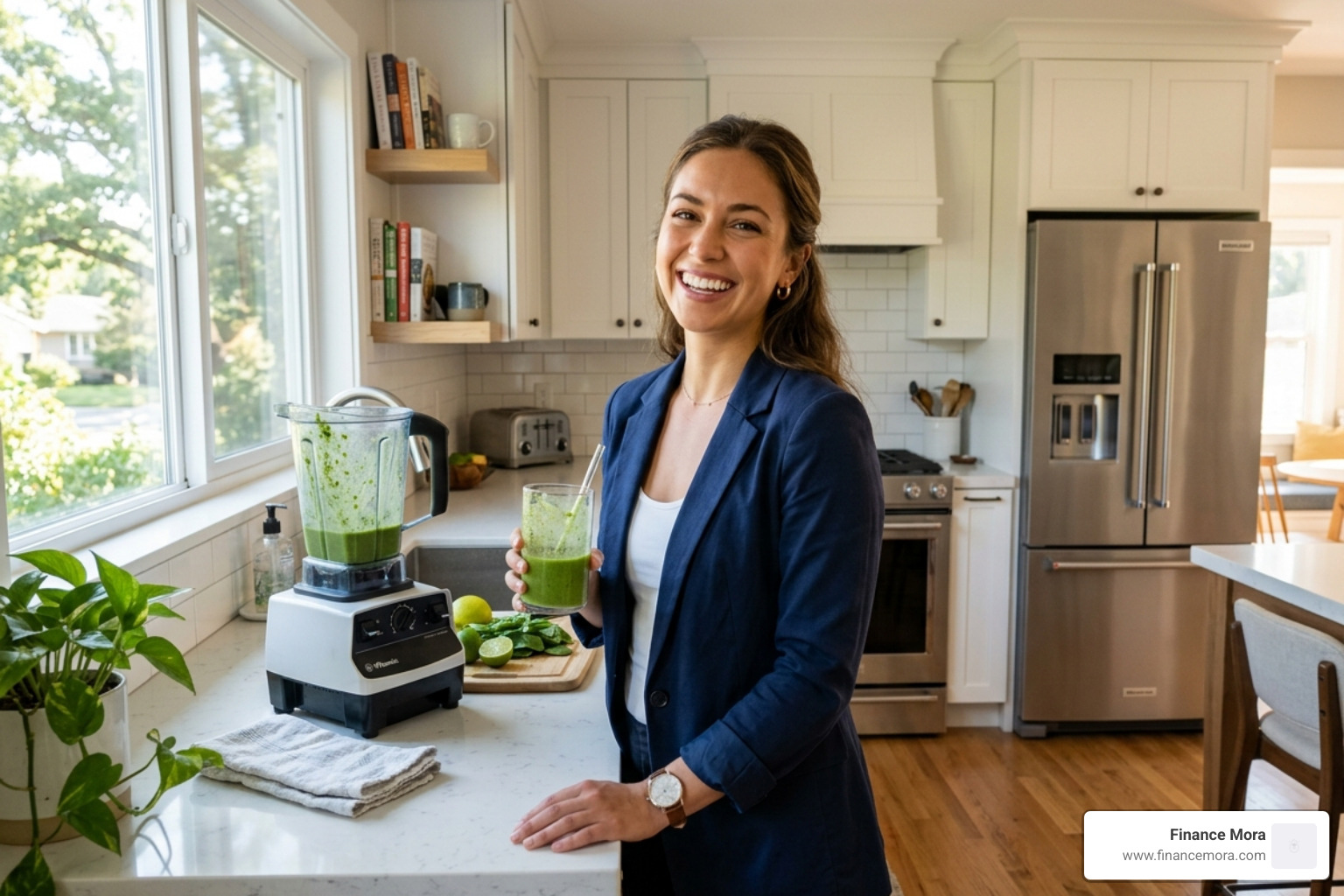
At Finance Mora, we believe that health is the ultimate form of wealth. Investing in a daily green smoothie recipe is akin to a high-yield savings account for your body. By April 2026, the data is clearer than ever: the cumulative effect of consuming raw leafy greens and whole fruits daily significantly reduces long-term healthcare costs by bolstering your immune system and preventing chronic fatigue.
According to research, a well-balanced green smoothie can provide a massive antioxidant boost. For instance, a single serving can offer up to 73% of your daily value of Vitamin C and 63% of Vitamin E. These aren’t just numbers; they are the building blocks of immune support and skin health.
Furthermore, dark leafy greens are extremely alkalizing. Our bodies function best in a more neutral environment where enzymes can work efficiently. While acid-forming foods like meats and dairy can shift our internal balance, the phytonutrients found in kale, spinach, and parsley help restore it. Beyond the vitamins, the dietary fiber found in these blended whole foods (often 6g to 11g per serving) supports heart health by helping to manage cholesterol and blood pressure. It’s a nutrient-dense “fast food” that pays dividends in energy and longevity.
Essential Ingredients for the Perfect Blend
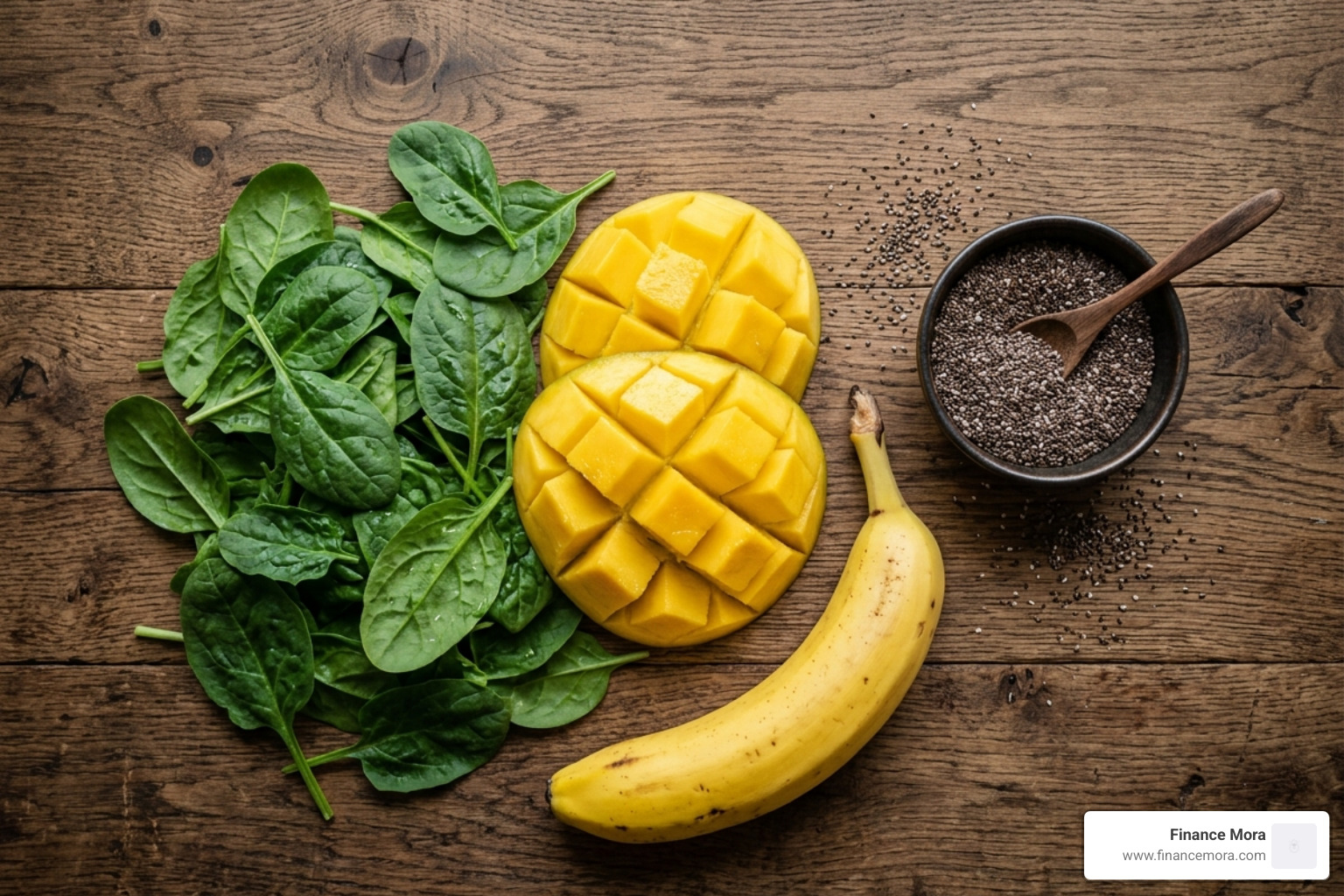
Creating the perfect green smoothie recipe is a science of balance. You want to maximize nutrition without sacrificing the “delicious factor.” If it tastes like a lawnmower bag, you won’t stick with it for 30 days.
The science of smoothie nutrition suggests that the best blends use a specific ratio of greens to fruit. A common expert recommendation is a 1.5:1 ratio of fruit to greens for beginners. This ensures the natural sugars in the fruit mask the earthy notes of the vegetables.
Choosing the Best Greens for Your Green Smoothie Recipe
Not all greens are created equal, especially for beginners. We recommend starting with baby spinach. It is the “gateway green” because it has a very mild flavor and blends into a completely smooth liquid. As you become a pro, you can graduate to heartier options like kale or romaine.
| Green | Taste Profile | Best For | Nutrition Highlight |
|---|---|---|---|
| Baby Spinach | Mild, slightly sweet | Beginners & Kids | High in Iron & Folate |
| Kale | Earthy, bitter | Experienced drinkers | Vitamin K & Glucosinolates |
| Romaine | Watery, fresh | Hydration | Vitamin A & Vitamin C |
| Parsley | Herby, bright | Detoxification | High Antioxidants |
Natural Sweeteners and Creamy Bases
Texture is just as important as taste. To avoid a watery or “icy” mess, we skip the ice cubes and use frozen fruit.
- Frozen Bananas: These are the secret to a milkshake-like consistency. As bananas ripen, their starches convert to sugar, providing natural sweetness without added syrups.
- Mango and Pineapple: These tropical fruits contain enzymes like bromelain, which aids digestion and helps mask the taste of stronger greens like kale.
- Creamy Bases: While water is the most cost-effective, using almond milk, oat milk, or coconut water adds a layer of richness. For those needing more satiety, half an avocado or a scoop of Greek yogurt can transform a snack into a meal replacement.
Step-by-Step Guide to a Professional Texture
The difference between a “gritty” smoothie and a professional-grade one often comes down to the blender and the order of operations. No one likes chewing their drink.
Mastering the Blender Layers for a Smooth Green Smoothie Recipe
To achieve that elusive emulsion, follow the “Liquid First” rule. Adding your almond milk or water first creates a vortex that pulls the solid ingredients down into the blades.
- Liquids First: 1 to 2 cups of your chosen base.
- Greens Second: Pack them in. If you don’t have a high-powered blender, blend the liquid and greens first before adding anything else to ensure no leafy chunks remain.
- Frozen Fruit and Add-ins Last: These heavy items sit on top and push the other ingredients toward the blades.
For those using a Vitamix or similar high-speed machine, use the tamper to move ingredients toward the blades. Start on the lowest speed and quickly increase to high. Blending for 45-60 seconds is usually the “sweet spot” for a perfectly smooth texture.
Superfood Add-ins for Maximum Nutrition
Once you have the base down, we can look at “upgrading” the recipe with functional add-ins:
- Chia and Flaxseeds: These add Omega-3 fatty acids and extra fiber.
- Ginger: A 1/2 inch knob of fresh ginger adds a “zing” and provides anti-inflammatory benefits.
- Protein Powder or Collagen: Excellent for post-workout recovery or making the smoothie more filling.
- Cinnamon: Helps regulate blood sugar and adds a warm depth of flavor.
Sustainable Meal Prep and Storage Strategies
Efficiency is key to maintaining a 30-day habit. We don’t want to be washing the blender and chopping fruit every single morning.
The Freezer Pack Method: Spend 20 minutes on a Sunday portioning your greens and fruits into silicone bags or freezer-safe containers. When Monday morning rolls around, you simply pour the pack into the blender, add liquid, and go. This also helps in reducing food waste; if your bananas are getting too spotty, peel and freeze them immediately.
Storage and Freshness: While we always recommend drinking your smoothie fresh to prevent oxidation (which can degrade nutrients over time), you can store a well-made smoothie in an airtight glass jar for up to 24-48 hours. If you notice separation, just give it a vigorous shake. For a “grab-and-go” hack, you can even freeze smoothie mixture in ice cube trays and pop them into a bottle to melt by lunchtime.
Troubleshooting and Substitutions
Sometimes you run out of mango, or you find that you’re sensitive to certain ingredients. Don’t let that stop your 30-day journey.
- Too Bitter? Add a squeeze of lemon juice. The acidity brightens the flavor and cuts through the bitterness of kale. A drop of vanilla extract also adds a “yummy depth” that tricks the palate into thinking the drink is sweeter than it is.
- No Banana? Use half an avocado or 1/2 cup of frozen cauliflower (trust us, it’s tasteless!) to maintain the creamy texture without the sugar.
- Keto-Friendly? Swap the high-sugar fruits for berries (strawberries, raspberries) and use coconut milk and hemp hearts for healthy fats.
- Beginner-Friendly Variations: If you are still struggling with the color, try a berry-heavy blend. Blueberries will turn the smoothie purple, effectively “hiding” the greens from picky eaters or “veggie police” children.
Frequently Asked Questions about Green Smoothies
Can you taste the spinach or kale in a well-made smoothie?
If you follow the 1.5:1 ratio of fruit to greens, you absolutely cannot taste the spinach. It is virtually flavorless when blended with sweet fruits like mango or banana. Kale has a stronger profile, so we recommend removing the tough stems and pairing it with “strong” fruits like pineapple or citrus to mask the earthiness.
How long can I store a green smoothie in the refrigerator?
For the best taste and maximum nutrient density, drink it within 4 hours. However, it will stay safe and palatable in an airtight container for up to 48 hours. The color may dull slightly due to oxidation, but a splash of lemon juice can help preserve the vibrant green.
What is the best blender for achieving a creamy texture without ice?
A high-speed blender (like a Vitamix, Blendtec, or high-end Ninja) is the gold standard. These machines have the motor power to pulverize cell walls of leafy greens, resulting in a silky texture. If you have a standard blender, the trick is to blend your greens and liquid first to create a “green milk” before adding the frozen solids.
Conclusion
At Finance Mora, we are committed to helping you grow your wealth and your well-being simultaneously. Mastering a green smoothie recipe is more than just a culinary skill; it’s a sustainable living practice that reduces reliance on processed foods and expensive supplements.
By choosing eco-friendly kitchen habits—like buying bulk frozen fruit or using reusable straws—you contribute to a greener planet while fueling a healthier version of yourself. This 30-day challenge is your first step toward a lifestyle where financial growth and physical health move in tandem.
Ready to take the next step in your wellness and financial journey? Start your green journey with Finance Mora and discover how smarter living leads to a richer life.
