
What You’re Actually Drinking Could Change Your Heart Health Numbers
Blood pressure low cholesterol drinks are among the simplest, most accessible tools you have for supporting your cardiovascular health — no prescription required.
Here are the top drinks shown by research to help lower blood pressure and cholesterol:
| Drink | Key Benefit | How Fast |
|---|---|---|
| Beet juice | Lowers systolic BP via nitrates | As fast as 30 minutes |
| Pomegranate juice | Reduces BP and LDL cholesterol | 2+ weeks of daily use |
| Hibiscus tea | Relaxes blood vessels | 1.5–2 weeks |
| Oat milk | Lowers LDL via beta-glucan fiber | Several weeks |
| Soy milk | Reduces LDL and total cholesterol | 5–8 weeks |
| Tomato juice (unsalted) | Improves LDL and systolic BP | Weeks to months |
| Green tea | Lowers LDL and total cholesterol | Several weeks |
| Low-fat milk | Modestly reduces blood pressure | ~4 weeks |
These aren’t magic fixes. But science shows they can nudge your numbers in the right direction when paired with a healthy lifestyle.
High blood pressure and elevated cholesterol are two of the most common risk factors for heart disease. What many people don’t realize is that everyday drink choices — not just food — play a real role in managing both. Swapping even one or two beverages in your daily routine for a heart-healthier option can make a measurable difference over time.
The good news? Many of these drinks are affordable, widely available, and easy to make at home — which matters if you’re trying to live well without stretching your budget.
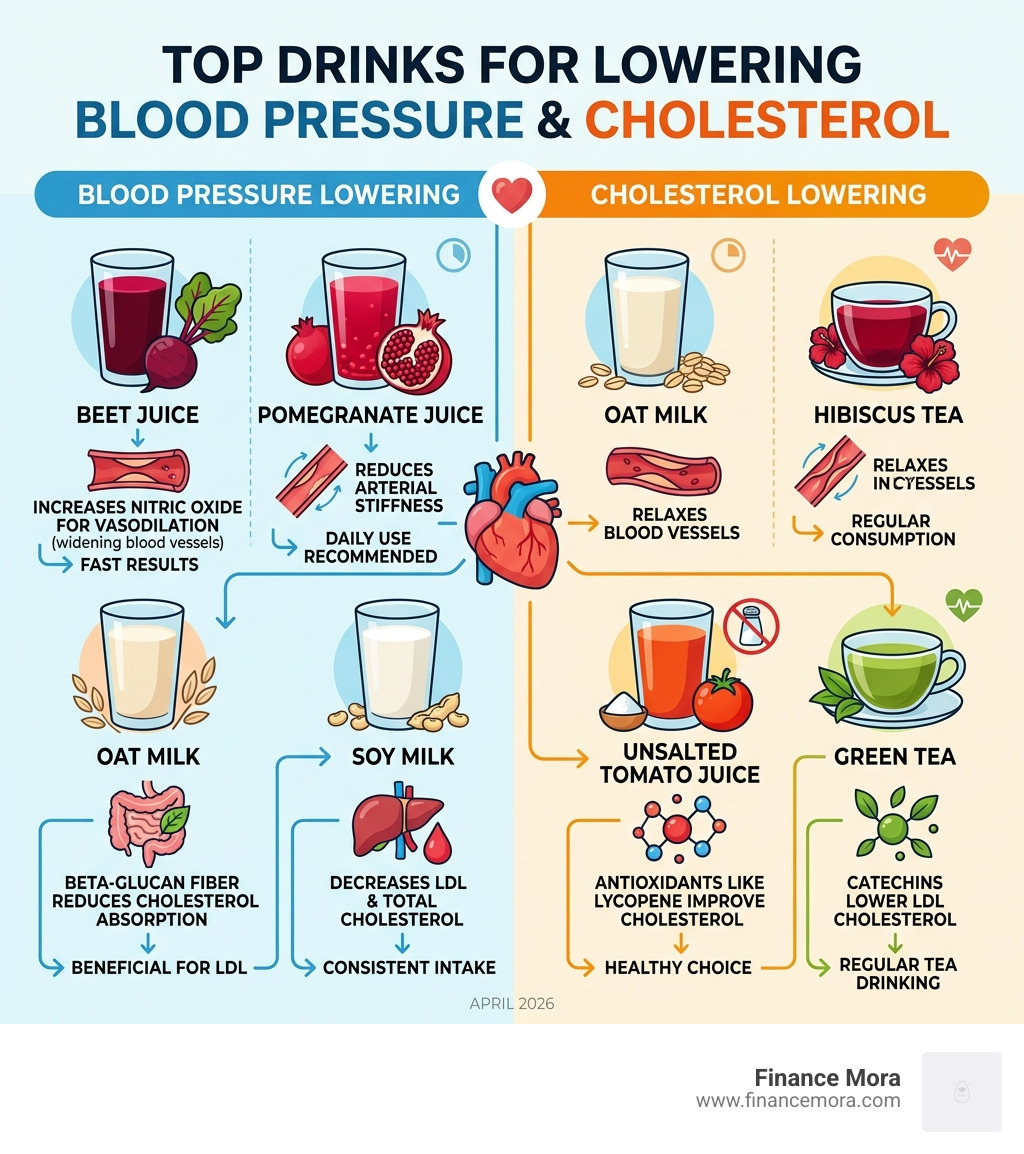
The Science of Blood Pressure Low Cholesterol Drinks
When we talk about heart health in April 2026, we are looking at a more sophisticated understanding of how liquids interact with our internal “plumbing.” It isn’t just about hydration; it’s about the bioactive compounds that help our blood vessels function better.
Two of the biggest players in this liquid revolution are nitric oxide and beta-glucan. Nitric oxide is a gas produced by the body that signals our blood vessels to relax and widen—a process called vasodilation. When vessels are relaxed, blood flows more easily, and pressure drops. On the cholesterol side, soluble fibers like beta-glucan (found in oats) and antioxidants like lycopene (found in tomatoes) work to either block cholesterol absorption or help the body clear out “bad” LDL cholesterol more efficiently.
According to Scientific research on drinks to lower blood pressure, these beverages aren’t just “health food” myths; they have measurable impacts on the physiological markers of heart disease.
To understand the potency of these drinks, let’s look at the antioxidant levels. Pomegranate juice, for instance, is a nutritional heavyweight.
| Drink | Antioxidant Comparison | Key Compound |
|---|---|---|
| Pomegranate Juice | ~3x higher than Green Tea | Polyphenols |
| Green Tea | High | Catechins (EGCG) |
| Red Wine | Moderate | Resveratrol |
| Blueberry Juice | High | Anthocyanins |
Mechanisms of LDL Reduction
How do these drinks actually lower “bad” cholesterol? The secret often lies in catechins and plant sterols. Catechins, which are abundant in green tea, are powerful antioxidants that help lower LDL and total cholesterol levels. Some studies even suggest they can help break down existing plaque in the arteries.
Plant sterols and stanols, often added to fortified yogurt drinks or orange juices, are chemically similar to cholesterol. When we consume them, they “compete” with cholesterol for absorption in the gut. This means less cholesterol makes it into our bloodstream, and more is ushered out of the body as waste.
How Nitrates Improve Circulation
Beetroot is perhaps the most famous source of dietary nitrates. Once you take a sip of beet juice, your saliva and stomach enzymes convert those nitrates into nitric oxide. This leads to almost immediate vessel relaxation.
Research has shown that drinking about 2 cups of beet juice can cause a drop in systolic blood pressure within just 30 minutes, with the effect lasting nearly 24 hours. For those of us looking for a “quick win” in our daily health routine, the beet is hard to beat.
Top 5 Heart-Healthy Beverages to Make at Home
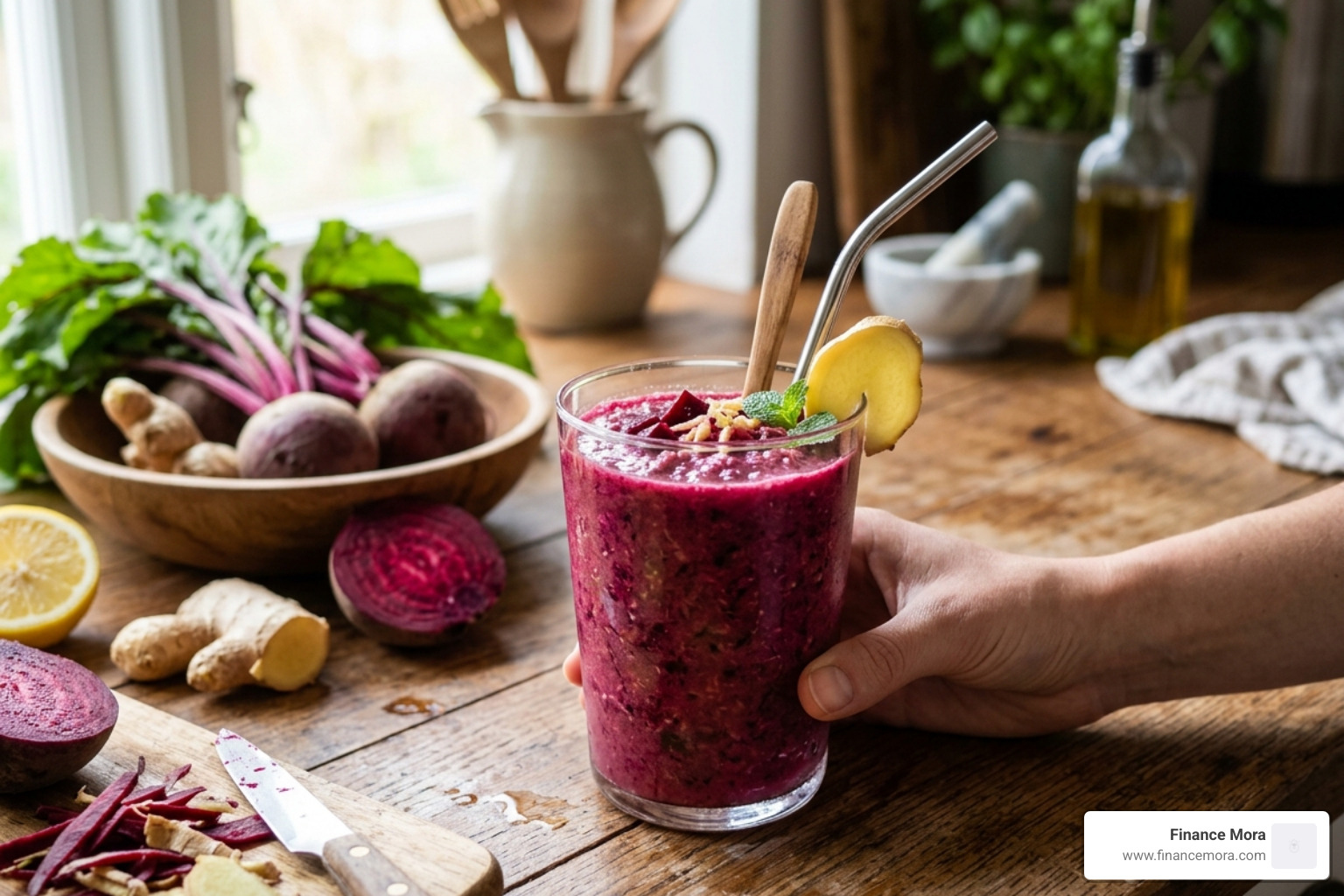
Making your own blood pressure low cholesterol drinks is not only better for your body—because you control the sugar and salt—but it’s also better for your wallet and the planet. By skipping the single-use plastic bottles from the store, we’re practicing the kind of green living we champion at Finance Mora.
- Hibiscus Tea: This vibrant red tea is more than just delicious. Drinking 2 cups daily for at least two weeks has been shown to lower blood pressure. It contains anthocyanins that may mimic the effects of certain blood pressure medications by relaxing the blood vessels.
- Unsalted Tomato Juice: Processing tomatoes into juice actually increases the bioavailability of lycopene. A study found that drinking 200 mL (a little less than a cup) daily improved systolic blood pressure in people over 55 over the course of a year.
- Soy Milk: The FDA recommends 25 grams of soy protein per day for cholesterol management. Soy milk contains proteins like glycinin that specifically target LDL reduction.
- Pomegranate Juice: This juice is a powerhouse that can help reduce existing plaque buildup. Even 6 ounces daily can significantly reduce blood pressure in people with Type 2 diabetes.
- Beet Smoothie: Blending raw beets with a bit of ginger and apple is a tasty way to get those nitrates.
For more ideas, you can explore this list of 8 drinks that could help lower cholesterol – Medical News Today.
Best Morning Blood Pressure Low Cholesterol Drinks
The “morning surge” is a real phenomenon where blood pressure naturally peaks in the early hours after waking. This is the time when the risk of heart attack and stroke is highest. Starting your day with a potassium-rich juice—like orange, prune, or pomegranate—can help counter the effects of sodium and encourage vasodilation.
Beet juice is also an excellent morning choice because its nitric oxide-boosting effects can help manage that morning pressure peak. If the taste of beets is too “earthy” for you, try mixing it with a little citrus juice to brighten the flavor.
Plant-Based Milks for Lipid Control
If you’re looking to swap out dairy, oat milk and soy milk are the top contenders for heart health.
- Oat Milk: A 250 mL glass provides about 1 gram of beta-glucans. These create a gel-like substance in the gut that binds to cholesterol, preventing it from entering your circulation.
- Soy Milk: It is naturally cholesterol-free and low in saturated fat. When choosing these, always opt for the unsweetened varieties. Added sugars can increase triglycerides, which negates the heart-healthy benefits.
Safety Precautions and Medication Interactions
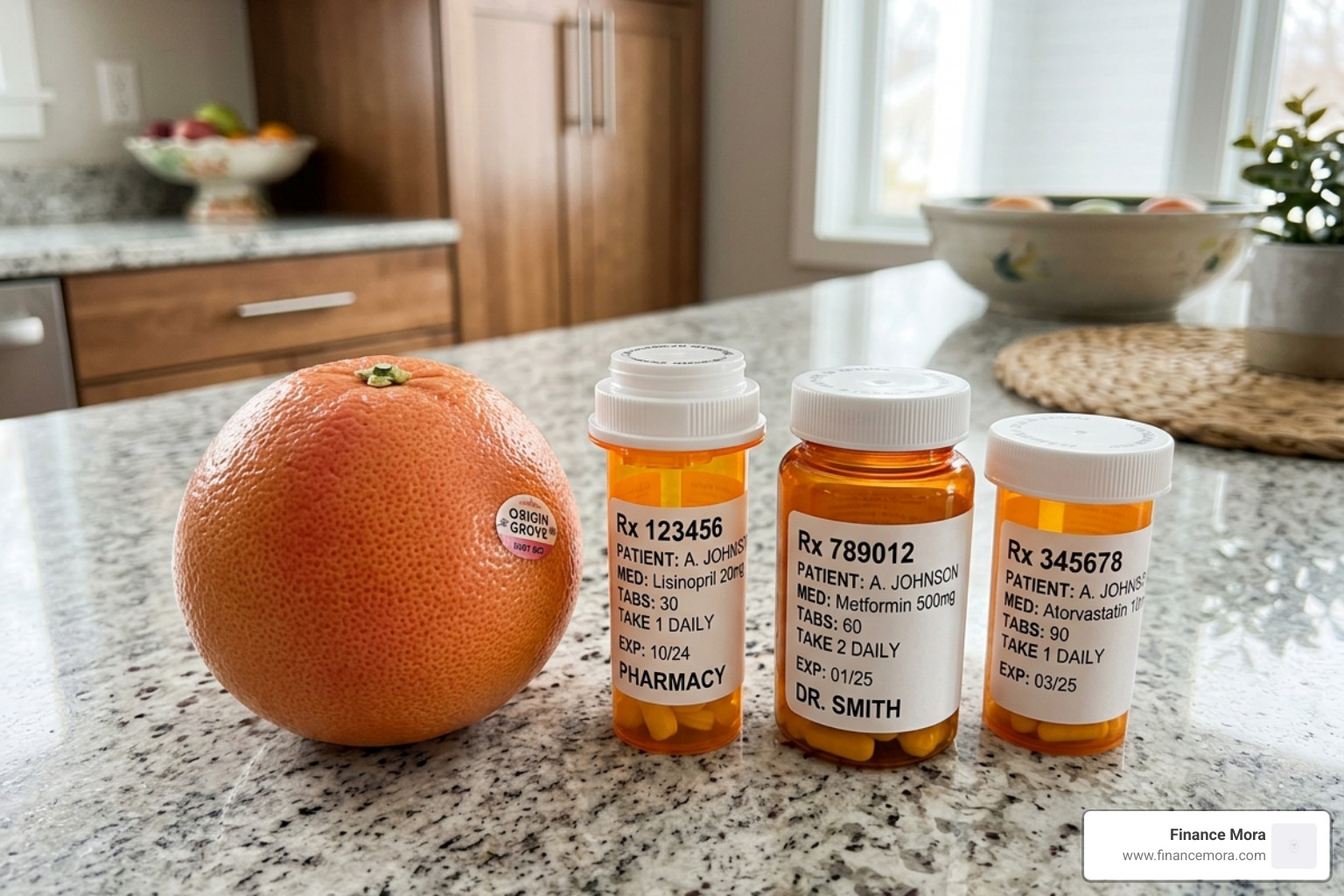
While we love natural remedies, we have to be smart about how they interact with modern medicine. “Natural” doesn’t always mean “safe for everyone.”
The Grapefruit Juice Warning
Grapefruit is the most notorious offender. It contains compounds that interfere with an enzyme in your digestive system that breaks down certain medications. This can lead to your body absorbing too much of a drug, making it reach toxic levels.
This is particularly dangerous for:
- Calcium channel blockers (for blood pressure)
- Statins (for cholesterol)
If you are on these medications, it is often recommended to wait 2 to 3 days after drinking grapefruit juice before starting a new dose, or better yet, avoid it entirely. Always consult your doctor before adding grapefruit to your routine if you’re on heart meds.
Managing Sugar and Sodium Intake
It is easy to accidentally sabotage your heart health with hidden ingredients.
- Sodium: The American Heart Association recommends staying under 1,500mg of sodium per day. Many canned tomato or vegetable juices are “salt bombs.” Always look for the “Unsalted” or “Low Sodium” label.
- Sugar: Drinking more than 12 ounces of sugary drinks a day can actually reduce your “good” HDL cholesterol and spike your triglycerides.
- Caffeine: While a cup of tea is great, excessive caffeine (over 400mg a day) can cause temporary spikes in blood pressure.
Frequently Asked Questions about Blood Pressure Low Cholesterol Drinks
How quickly can these drinks lower my blood pressure?
It depends on the drink! Beet juice is the “sprinter” of the group, with effects starting in as little as 30 minutes and lasting up to 24 hours. Hibiscus tea is more of a “marathon runner,” usually requiring about two weeks of consistent consumption to show significant results. Tomato juice and pomegranate juice typically show their best results after 2 to 6 weeks of daily use.
Is oat milk better than soy milk for cholesterol?
Both are excellent, but they work differently. Oat milk uses beta-glucan fiber to “trap” cholesterol, while soy milk uses plant proteins to reduce the production of LDL in the liver. A study showed that men with high cholesterol who drank oat milk for five weeks saw lower LDL and total cholesterol. Meanwhile, the Heart UK organization suggests 2 to 3 servings of soy daily for similar benefits. For the best results, you might even rotate between the two!
Can I drink coffee if I have high blood pressure?
Moderation is key. For most people, a cup or two of coffee is fine and may even offer some antioxidant benefits. However, people with severe hypertension who drink two or more cups of regular coffee daily may double their risk of heart-related issues. If you’re sensitive to caffeine, green tea is a fantastic alternative; it has less caffeine and is packed with those cholesterol-lowering catechins.
Conclusion
At Finance Mora, we believe that the best investments aren’t just in the stock market—they’re in your own longevity. By choosing blood pressure low cholesterol drinks that are plant-based and home-prepared, you are integrating financial growth (saving on medical bills and expensive pre-packaged “health” drinks) with a greener, more sustainable lifestyle.
Managing your numbers doesn’t have to be a chore. It can be as simple as enjoying a cold glass of pomegranate juice or a warm cup of hibiscus tea. Remember to pair these drinks with a balanced diet, regular exercise, and plenty of sleep.
If you’re ready to take the next step in your journey toward a sustainable, heart-healthy life, we’re here to help. Learn more about heart-healthy living at Finance Mora. Let’s toast to your health—one glass at a time!
