
Sip Your Way to Better Arteries with Antioxidant Blends
Why an Antioxidant Rich Cholesterol Blend Could Be Your Heart’s Best Ally
An antioxidant rich cholesterol blend combines natural compounds — like bergamot polyphenols, plant sterols, and heart-healthy nuts — to help lower LDL cholesterol, reduce triglycerides, and protect arteries from oxidative damage.
Top antioxidant rich cholesterol blends to consider in 2026:
| Blend Type | Key Ingredients | Primary Benefit |
|---|---|---|
| Bergamot polyphenol supplement | Brutieridin, melitidin, naringin | LDL reduction up to 38% |
| Red yeast rice + CoQ10 capsule | Monacolin K, coenzyme Q10 | Statin-like cholesterol support |
| Phytosterol powder blend | Beta-sitosterol, campesterol | 8-10% LDL reduction |
| Whole food trail mix | Pecans, walnuts, dark chocolate, blueberries | Antioxidants + healthy fats |
| Multi-ingredient supplement | Plant sterols, artichoke, garlic, quercetin | Broad lipid balance support |
High cholesterol affects millions of Americans, and up to 22% of patients on prescription statins experience side effects — including muscle pain and liver stress. That’s a significant problem for anyone trying to manage their cardiovascular health long-term.
The good news? Research shows that certain natural blends can meaningfully move the needle on cholesterol levels. Clinical trials using bergamot polyphenols, for example, have recorded a 25% drop in total cholesterol and a 34% reduction in LDL in just 30 days.
Whether you’re statin-intolerant, looking to complement an existing treatment, or simply want a more natural approach, understanding what makes a cholesterol blend actually work is the first step.
This guide breaks down the science, the best ingredients, and the top products — so you can make a confident, informed choice.
The Science Behind an Antioxidant Rich Cholesterol Blend
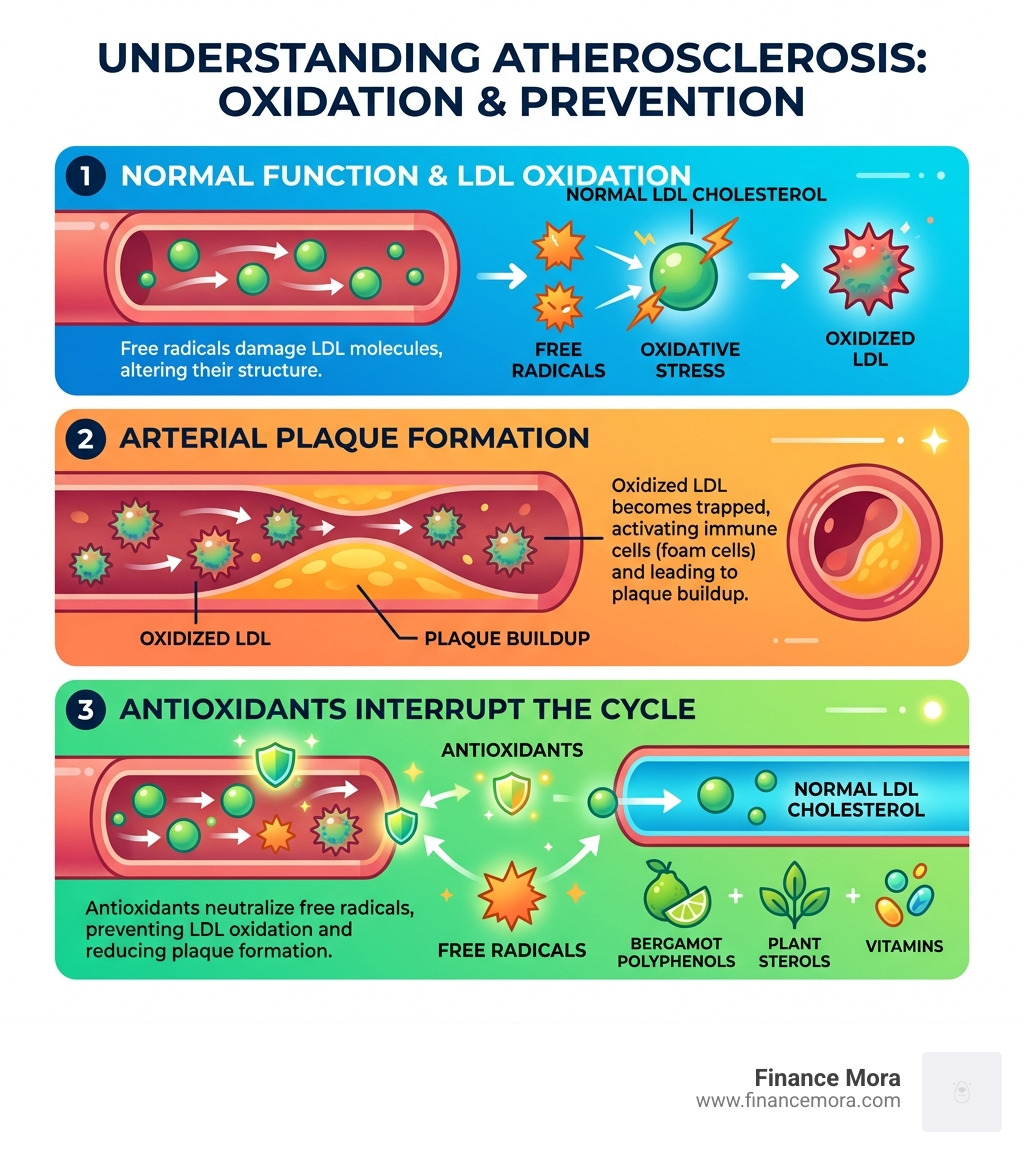
To understand why an antioxidant rich cholesterol blend is so effective, we first have to look at the “hidden” enemy: oxidative stress. It isn’t just the amount of cholesterol in your blood that matters; it’s what happens to that cholesterol. When LDL (the “bad” cholesterol) becomes oxidized by free radicals, it turns into a sticky substance that clings to your arterial walls, leading to plaque buildup.
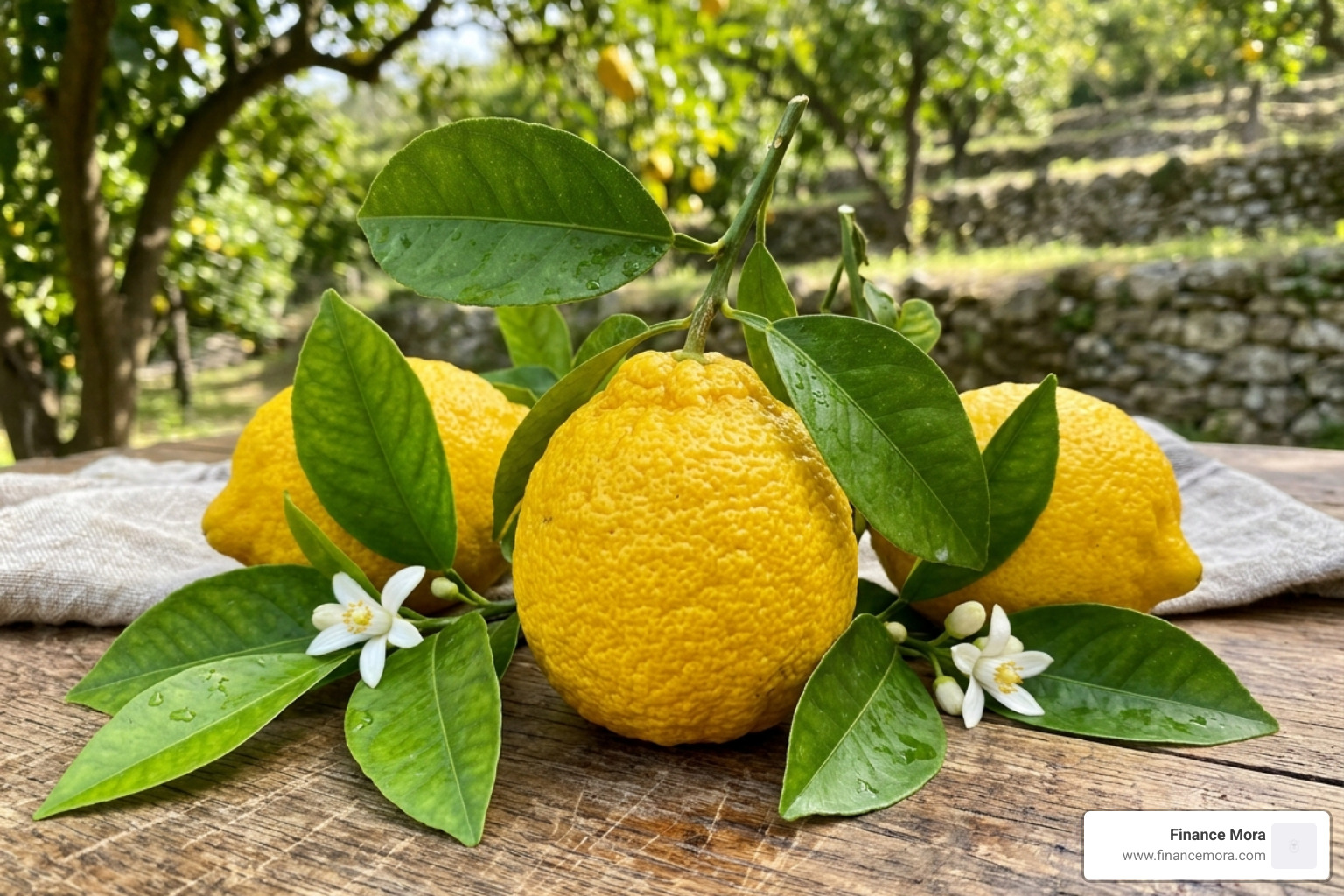
At the heart of modern cholesterol research is the Bergamot orange (Citrus bergamia). Growing almost exclusively in the Calabria region of Southern Italy, this unique fruit is a powerhouse of polyphenols. Unlike your average breakfast orange, bergamot contains high concentrations of flavonoids that target cholesterol at the source.
According to the Clinical application of bergamot for reducing high cholesterol, these polyphenols work through several sophisticated mechanisms:
- AMPK Activation: Bergamot helps activate the “metabolic master switch,” which improves how our cells handle fats and glucose.
- pCEH Inhibition: It inhibits an enzyme called cholesterol ester hydrolase, preventing the accumulation of cholesterol in certain cells.
- Statin-like Mechanisms: Some bergamot compounds act similarly to HMG-CoA reductase inhibitors (statins) but without the same risk of side effects.
- LDL Oxidation Prevention: By neutralizing free radicals, these blends stop LDL from becoming the “sticky” version that clogs arteries.
Key Phytochemicals in an Antioxidant Rich Cholesterol Blend
The magic of bergamot lies in its specific phytochemical profile. Most citrus fruits have a bit of naringin or hesperidin, but bergamot contains “brutieridin” and “melitidin”—compounds that are structural analogs to statins.
When looking for a high-quality antioxidant rich cholesterol blend, ensure the supplement is standardized for these key flavonoids:
- Brutieridin & Melitidin: These mimic the action of pharmaceutical statins by inhibiting cholesterol synthesis in the liver.
- Neoeriocitrin: A potent antioxidant that prevents lipid peroxidation.
- Naringin & Neohesperidin: These support healthy blood sugar and lipid metabolism.
By using a standardized polyphenol fraction, we ensure that every dose provides a consistent level of these “heart-guarding” molecules.
Clinical Efficacy of Bergamot-Based Antioxidant Rich Cholesterol Blends
The numbers don’t lie. Clinical trials have consistently shown that bergamot-based blends can rival some prescription medications in their ability to rebalance a lipid profile.
In a landmark study, patients taking 1,000 mg of bergamot daily saw their total cholesterol drop by 30.9% and their LDL plummet by 38.6% in just 30 days. Perhaps most impressively, their “good” HDL cholesterol increased by 39%.
| Trial Duration | Total Cholesterol Change | LDL-C Reduction | Triglyceride Change |
|---|---|---|---|
| 30 Days (650mg BPF x2) | -25% | -34% | -33% |
| 6 Months (150mg daily) | -12% | -17% | -16% |
These results suggest that an antioxidant rich cholesterol blend can be a powerful tool for those who are sensitive to traditional medications or those who want to jumpstart their heart health naturally.
Essential Ingredients for Cardiovascular Support
While bergamot is a superstar, a truly comprehensive antioxidant rich cholesterol blend often utilizes a “team” of ingredients that work together. Synergy is the name of the game in 2026.
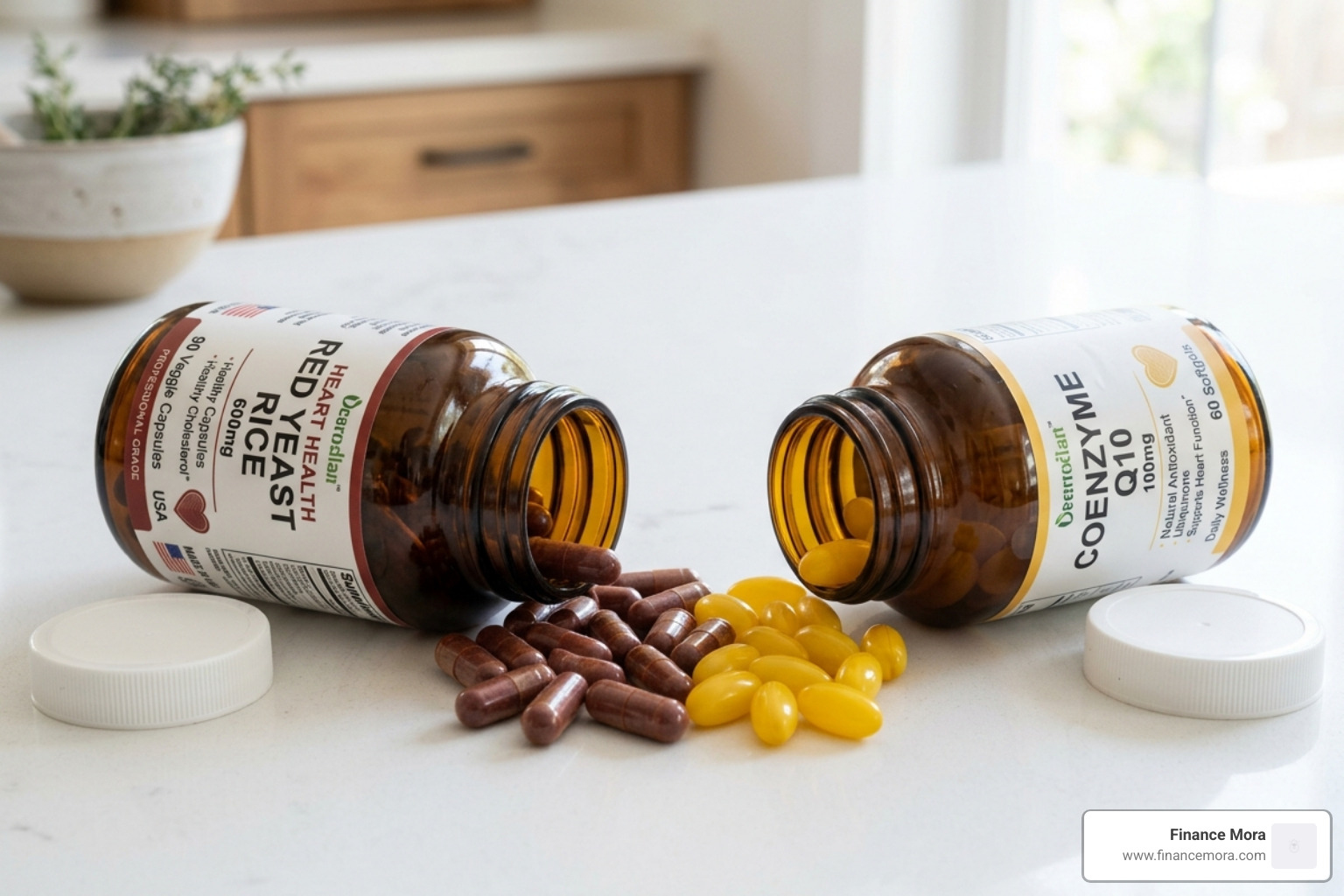
One of the most popular additions is Red Yeast Rice. It contains monacolin K, a naturally occurring compound that is chemically identical to lovastatin. Because it can lower the body’s natural production of Coenzyme Q10 (CoQ10), premium blends like Everyday HEART HEALTH or Cholesto Red always include CoQ10 to protect mitochondrial function and maintain energy levels.
As noted in the Cholesterol-lowering supplements and safety guide from the Mayo Clinic, it is vital to ensure these supplements are “citrinin-free” to protect kidney health.
Plant Sterols and Stanols
If you’ve ever seen a “heart-healthy” margarine, you’ve heard of plant sterols. These are plant-based fats that are structurally similar to cholesterol. When we consume them, they “compete” with cholesterol for absorption in the gut.
- Beta-sitosterol, Campesterol, and Stigmasterol: These are the most common sterols found in blends like Rx Vitamins NaturLo Cholesterol Powder.
- The Result: Research shows that 2 grams of plant sterols daily can lead to an 8–10% reduction in LDL cholesterol.
Synergistic Nutrients for Lipid Metabolism
To round out a professional-grade antioxidant rich cholesterol blend, we look for ingredients that support the liver and vascular system:
- Pantethine: A derivative of Vitamin B5 that helps reduce total and LDL cholesterol.
- Garlic Extract: Known for its modest cholesterol-lowering effects and its ability to keep blood “slippery” (reducing viscosity).
- Artichoke Leaf Extract: Promotes bile production, which is how the body naturally flushes out excess cholesterol.
- Chromium Polynicotinate: Supports healthy insulin sensitivity, which is often linked to triglyceride levels.
Products like LifeSource Vitamins Cholesterol Support leverage up to 22 of these ingredients to provide a multi-angled attack on dyslipidemia.
Whole Food Blends: Nuts, Berries, and Heart-Healthy Snacks
We don’t always have to look to a pill bottle for an antioxidant rich cholesterol blend. Nature provides its own “trail mix” of heart-protecting nutrients.
Take the Georgia pecan, for example. A single one-ounce serving (~19 halves) provides 20g of healthy fats—mostly monounsaturated—and 11% of your daily fiber. When we blend these with dark chocolate (at least 52% cacao), we create a snack that is rich in manganese, zinc, and anthocyanins.
- Walnuts: These are unique among nuts because they are a primary source of alpha-linolenic acid (an omega-3 fatty acid).
- Dark Chocolate: The flavanols in dark chocolate help improve blood flow and lower the “stickiness” of LDL.
- Pecans: High in Vitamin E, they act as a fat-soluble antioxidant that protects cell membranes from damage.
The Role of Fiber and Polyphenols in Food Blends
Soluble fiber is like a sponge for cholesterol. Ingredients such as psyllium husk and oat bran contain beta-glucan, which binds to bile acids in the digestive tract and drags them out of the body. Since the liver has to use up more cholesterol to make new bile, your blood cholesterol levels drop.
Blending these fibers with antioxidant-rich fruits like blueberries, cranberries, and pepitas (pumpkin seeds) creates a sustained energy source that supports digestive health while protecting the heart.
Safety, Dosing, and Statin Alternatives
For many of us, the interest in an antioxidant rich cholesterol blend stems from statin intolerance. With side effects affecting nearly a quarter of statin users—including severe myopathy (muscle pain)—finding a tolerable alternative is a priority.
Bergamot has shown excellent tolerability in studies ranging from 30 days to 6 months. Most clinical trials utilize a dosage between 500mg and 1500mg per day. Some newer formulations use “phytosomal” delivery, which wraps the bergamot polyphenols in a layer of fat to help them survive digestion and absorb more effectively.
Precautions and Interactions for Supplement Users
While “natural” is often safer, it doesn’t mean “risk-free.” Here are a few things we recommend keeping in mind:
- Red Yeast Rice Regulation: The FDA considers red yeast rice with high levels of monacolin K to be an unapproved drug. Always choose reputable brands that test for purity.
- Pregnancy: Most cholesterol-lowering supplements, especially those containing red yeast rice, should not be used during pregnancy or nursing.
- Liver Monitoring: If you are switching from a statin to a natural blend, it is still wise to have your liver enzymes checked periodically.
- Drug Interactions: Supplements can interact with blood thinners or other cardiovascular medications. Always consult your doctor before starting a new regimen.
Frequently Asked Questions about Cholesterol Blends
Can bergamot replace my prescription statin?
While bergamot has statin-like effects, it is not a direct 1-to-1 replacement for everyone. For those with mild to moderate hypercholesterolemia or those who cannot tolerate statins, it is a clinically validated option. However, high-risk patients should only make changes to their medication under a doctor’s supervision.
How long does it take to see results from antioxidant blends?
Most clinical studies show significant changes in lipid profiles within 30 days. However, for long-term stabilization, research suggests that consistent use over 3 to 6 months provides the best cardiovascular benefit.
Are there side effects to red yeast rice in these blends?
Because red yeast rice contains monacolin K (the same active ingredient as lovastatin), it can occasionally cause similar side effects, such as muscle aches or digestive upset. Choosing a blend that includes CoQ10 can help mitigate these risks.
Conclusion
At Finance Mora, we believe that your health is your most valuable asset. Managing your heart health through an antioxidant rich cholesterol blend isn’t just a physical win—it’s a smart long-term investment. By choosing natural, sustainable interventions like bergamot and plant sterols, you can reduce the need for expensive, side-effect-prone medications while supporting a greener, more holistic lifestyle.
Integrating financial growth with green living means making choices that benefit both your wallet and your well-being. By staying informed about the latest clinical research and choosing high-quality, scientifically-backed ingredients, you are paving the way for a vibrant, heart-healthy future.
