
Whisk It All with These Delicious Smoothie Recipes to Lower Your Cholesterol
Your Heart Health Could Be One Smoothie Away From Improving
Cholesterol reducing smoothie recipes are one of the easiest ways to start lowering your LDL (“bad”) cholesterol through diet. Here are the best ingredients to include:
- Oats – half a cup provides ~4g of soluble fiber
- Chia seeds – 2 tablespoons provide ~10g of fiber
- Flaxseeds – 1 tablespoon provides ~2g of fiber
- Avocado – rich in monounsaturated fats that lower LDL and raise HDL
- Mixed berries – packed with antioxidants and plant sterols
- Spinach or kale – high in antioxidants and nitric oxide precursors
- Unsweetened soy or almond milk – low in saturated fat, plant protein in soy milk may lower LDL
Aim for at least 10g of soluble fiber per day from these ingredients to see a meaningful impact on your cholesterol levels.
Nearly 86 million US adults over age 20 are living with high cholesterol right now. That’s not a small number.
The good news? You don’t need a complete lifestyle overhaul to start making a dent. Research shows that eating enough soluble fiber alone can reduce your cholesterol by 5–10%.
And that’s exactly where smoothies come in.
A well-built smoothie can pack in oats, chia seeds, leafy greens, and heart-healthy fats — all in under five minutes. No cooking. No complicated meal planning. Just blend and go.
For busy people trying to make smarter, greener choices without blowing the grocery budget, that’s a pretty compelling deal.
You’ll find the science behind why these ingredients work, plus seven simple, delicious recipes you can start making today.
The Science Behind Cholesterol Reducing Smoothie Recipes
To understand why cholesterol reducing smoothie recipes work, we first have to look at what we’re trying to move. Cholesterol is a waxy, fat-like substance that our livers produce naturally. We actually need it to build cells and make hormones. The trouble starts when there is too much of the “bad” kind, known as Low-Density Lipoprotein (LDL).
Think of LDL as the messy houseguest who leaves their bags (plaque) in the hallway (your arteries). If too much builds up, it gets hard to move around, increasing the risk of heart disease. On the flip side, High-Density Lipoprotein (HDL) is the “good” kind—the cleanup crew that carries LDL back to the liver to be flushed out.
Our goal with these smoothies is two-fold: lower the LDL and support the HDL. According to the “Portfolio Diet”—a dietary pattern specifically designed to lower cholesterol—incorporating plant proteins and soluble fiber can be as effective as some medications for certain people. As of April 2026, health standards continue to emphasize that a plant-forward diet is the gold standard for cardiovascular longevity.
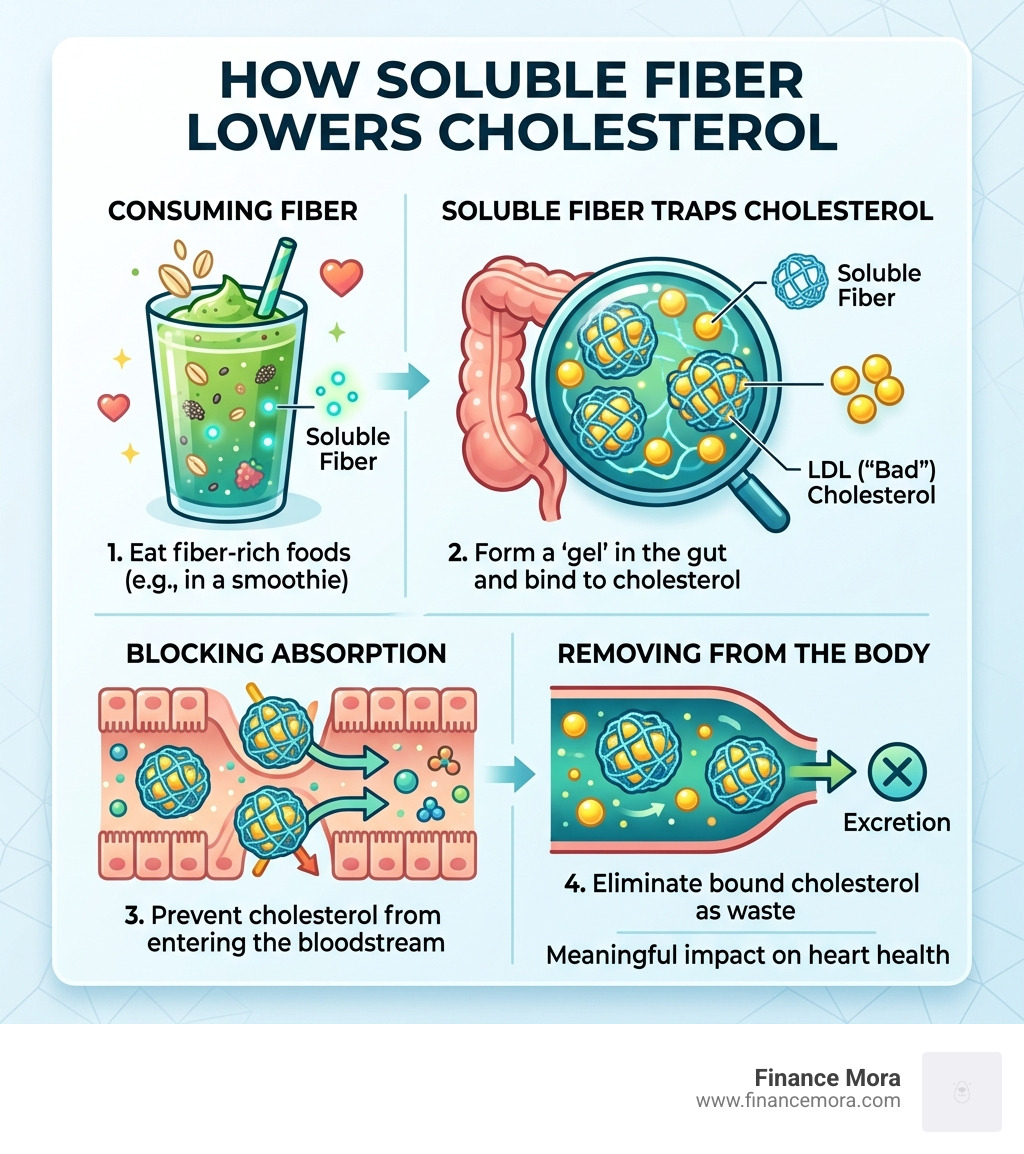
When we blend up a smoothie to lower cholesterol, we are essentially creating a liquid “trap” for LDL. Ingredients like oats and seeds contain soluble fiber that turns into a gel in your gut, binding to cholesterol and dragging it out of the body before it can hit your bloodstream.
Why Soluble Fiber is Your Heart’s Best Friend
Soluble fiber is the MVP of heart health. While insoluble fiber (the kind in wheat bran) helps keep your digestion moving, soluble fiber is what actually impacts your lipid panel.
The Dietary Guidelines for Americans recommend 25–36 grams of total fiber per day, yet the average adult only gets about 10–15 grams. By choosing the right smoothie ingredients, we can hit half our daily goal before we even leave the house.
| Ingredient | Serving Size | Approx. Soluble Fiber |
|---|---|---|
| Rolled Oats | 1/2 Cup | 2.0g – 4.0g |
| Chia Seeds | 2 Tablespoons | 2.5g – 5.0g |
| Flaxseeds (Ground) | 1 Tablespoon | 1.0g – 2.0g |
| Blueberries | 1 Cup | 1.0g – 2.0g |
| Avocado | 1/2 Fruit | 2.0g – 3.0g |
Increasing your soluble fiber intake to just 10g a day can significantly improve your total and LDL cholesterol levels. It’s a small change with a massive financial and physical payoff—fewer prescriptions and a stronger heart for the long haul.
Healthy Fats and Antioxidants in Cholesterol Reducing Smoothie Recipes
It isn’t just about fiber; it’s about the quality of fats and the power of plants. We’ve all heard that “fat is bad,” but that’s old-school thinking. Monounsaturated fats, like those found in avocados and nuts, are essential. They help lower LDL while maintaining those helpful HDL levels.
Then we have antioxidants. Berries get their deep colors from anthocyanins, which prevent LDL from oxidizing. When LDL oxidizes, it becomes much stickier and more likely to clog your arteries. Adding a handful of greens like spinach also introduces nitrates, which help produce nitric oxide. This relaxes your blood vessels and improves circulation.
As noted by the Phoenix Vegan Dietitian, a refreshing smoothie can provide up to 17 grams of total fiber in one sitting. That’s more than some people eat in an entire day!
7 Best Smoothie Recipes to Lower Your Cholesterol
We’ve curated these recipes to be quick (under 5 minutes), cost-effective, and nutrient-dense. We recommend using unsweetened plant-based milks like soy, almond, or oat milk to keep saturated fats and added sugars at an absolute minimum.
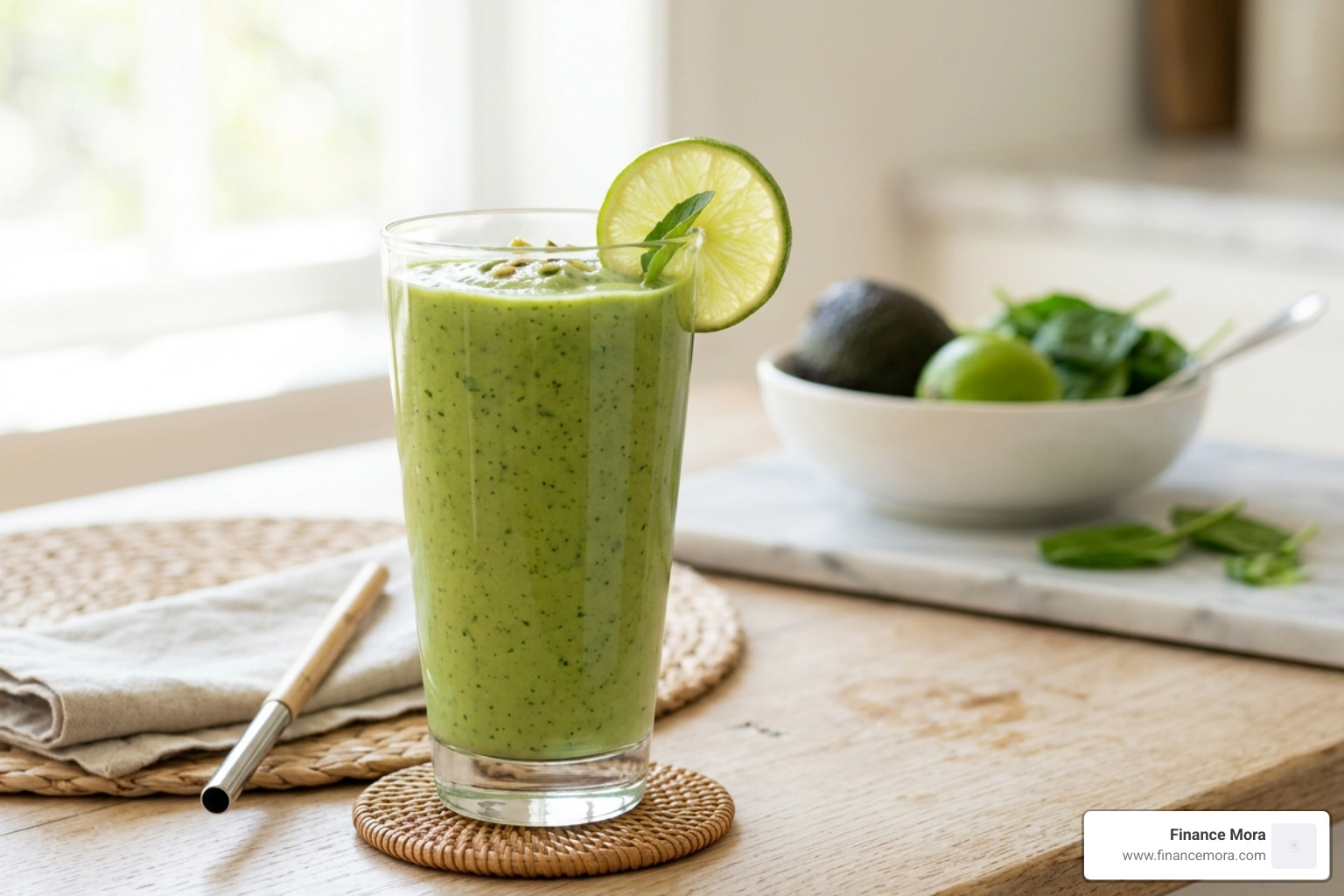
1. The Green Avocado Powerhouse
This is for the person who loves a creamy texture without the dairy. Avocado provides those heart-loving monounsaturated fats that act as a “smarter growth” strategy for your cells.
- Ingredients: 1/2 avocado, 1 cup fresh spinach, 1 green apple (cored), 1 cup unsweetened almond milk, 1 tbsp chia seeds, and a squeeze of lime.
- Why it works: The avocado and chia seeds provide a double-hit of healthy fats and fiber. The lime adds vitamin C and keeps the green color bright.
- Pro Tip: Based on the Green Avocado Smoothie recipe, try fanning the avocado slices before blending to ensure they incorporate perfectly for a satin-smooth finish.
2. Raspberry Almond Satin Blend
If you have a bit of a sweet tooth, this one is for you. It mimics the flavor of a decadent dessert but is secretly a nutritional powerhouse.
- Ingredients: 1 cup frozen raspberries, 1 tbsp almond butter, 1/2 frozen banana, 1 cup unsweetened soy milk, and 1 tbsp ground flaxseeds.
- Why it works: Raspberries are incredibly high in fiber. Almond butter provides Vitamin E, which is an antioxidant that helps fight inflammation.
- Nutrient Insight: The Raspberry Almond Smoothie is known for its high manganese content, supporting bone health while the plant protein in the soy milk works to lower LDL.
3. Apple and Oat Fiber Starter
This tastes like a drinkable apple pie. It’s the ultimate “greener living” breakfast because it uses pantry staples that are easy on the wallet.
- Ingredients: 1/3 cup rolled oats (blitzed into a flour first), 1 apple (with skin), 1/2 tsp cinnamon, 1 cup oat milk, and 1 tbsp hemp seeds.
- Why it works: The pectin in the apple skin and the beta-glucan in the oats are two of the most powerful forms of soluble fiber for trapping cholesterol.
- Flavor Tip: Cinnamon isn’t just for taste; it may help improve blood sugar balance and reduce inflammation.
4. Berry Bliss Antioxidant Booster
Berries are the “gold standard” for heart health. This smoothie uses a variety to ensure a wide range of antioxidants.
- Ingredients: 1.5 cups mixed berries (blueberries, strawberries, blackberries), 1 cup unsweetened soy milk, 1/2 cup fat-free Greek yogurt (optional for protein), and 2 tbsp chia seeds.
- Why it works: This combination provides plant sterols, which are compounds that mimic cholesterol and “compete” with it for absorption in your gut.
- Stats: Each serving can provide up to 18 grams of fiber if you use a high-fiber berry mix, keeping you full until lunch.
5. Tropical Chia Refreshment
When you want something light and hydrating, go tropical. This is perfect for a post-workout recovery drink.
- Ingredients: 1 cup frozen pineapple, 1/2 cucumber, 1 cup coconut water, 2 tbsp chia seeds, and a handful of kale.
- Why it works: Pineapple contains bromelain, an enzyme that helps reduce bloating and inflammation. The chia seeds provide the necessary omega-3s for heart protection.
- Sustainability: Cucumber and kale are easy to grow in a home garden, making this an eco-friendly choice for your morning routine.
6. The “Portfolio” Soy & Nut Butter Blend
This recipe is specifically designed to hit the markers of the Portfolio Diet, focusing on plant protein and nuts.
- Ingredients: 1 cup unsweetened soy milk, 2 tbsp natural peanut or almond butter, 1/2 cup frozen cauliflower (trust us, you can’t taste it!), 1 tbsp flaxseeds, and a dash of vanilla extract.
- Why it works: Soy protein has been shown to lower LDL by about 3-4%. The frozen cauliflower adds incredible creaminess and fiber without the sugar of extra fruit.
7. Cherry-Berry Smoothie Bowl
Sometimes you want to eat your smoothie with a spoon. Bowls allow for extra toppings like walnuts or extra seeds, which add crunch and heart-healthy fats.
- Ingredients: 1 cup frozen tart cherries, 1/2 cup blueberries, 1/2 cup unsweetened almond milk, topped with 1 tbsp walnuts and 1 tsp hemp hearts.
- Why it works: Cherries contain polyphenols that may reduce inflammation in the arteries.
- Stats: A cherry-berry bowl can provide a massive 18 grams of fiber, which is nearly 70% of the daily minimum for women.
Smart Tips for Heart-Healthy Smoothie Success
Creating cholesterol reducing smoothie recipes is an art, but it’s also a science. To get the most out of your blender, consider these Finance Mora approved tips for smarter, greener living:
- Choose Unsweetened Bases: Always reach for “unsweetened” labels. Many plant milks are loaded with added cane sugar, which can raise triglycerides and offset the heart benefits.
- Nut Butter Selection: Look for jars where the only ingredients are “nuts” and maybe “salt.” Avoid brands that add palm oil or hydrogenated fats (trans fats).
- The Frozen Veggie Trick: If you want a thick smoothie without the sugar of three bananas, use frozen riced cauliflower or frozen spinach. They add bulk, fiber, and nutrients without changing the flavor profile.
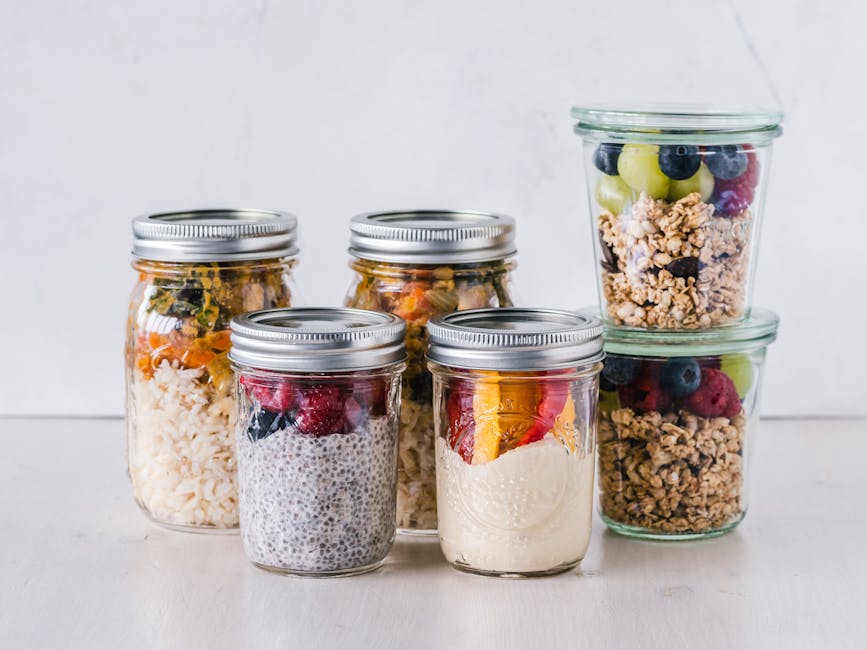
- Batch Prepping: We love efficiency. Spend 10 minutes on Sunday portioning out your dry ingredients (oats, seeds, frozen fruit) into reusable silicone bags. In the morning, just add your liquid and blend.
- Cost-Effective Shopping: Buy your seeds (chia, flax, hemp) in the bulk section to save money. Frozen fruit is often cheaper and more nutrient-dense than fresh fruit that has been sitting on a truck for a week.
When to Drink Your Cholesterol Reducing Smoothie Recipes
For the best results in managing cholesterol, consistency is key. We recommend drinking one of these smoothies as a breakfast replacement. This ensures you start your day with a high dose of fiber, which stabilizes blood sugar and prevents the mid-morning “crash” that leads to unhealthy snacking.
If you are using a smoothie as a meal, aim for the 25g protein rule. Add a scoop of plant-based protein powder or extra Greek yogurt to ensure you stay satiated. If it’s just a snack, a smaller portion will do. The best time for digestion is usually in the morning or early afternoon when your metabolism is most active.
Avoiding Common Smoothie Pitfalls
It is easy to turn a healthy smoothie into a “sugar bomb” if you aren’t careful.
- Fruit Juice vs. Whole Fruit: Never use fruit juice as your base. It’s stripped of fiber and is essentially just flavored sugar water. Stick to water, coconut water, or unsweetened plant milks.
- Portion Control: Even healthy fats have calories. Stick to 1/2 an avocado or 1-2 tablespoons of nut butter per serving.
- Saturated Fats: Avoid adding coconut oil or full-fat dairy to your smoothies. These can raise LDL levels, which is exactly what we are trying to avoid.
Lifestyle Factors That Complement Your Diet
While cholesterol reducing smoothie recipes are powerful, they work best as part of a holistic “smarter growth” strategy for your health.
- Physical Activity: Aim for 30 minutes of moderate exercise, like brisk walking or swimming, five days a week. This helps raise your “good” HDL cholesterol.
- Smoking Cessation: Quitting smoking can improve your HDL levels within just a few weeks. Within one year, your risk of heart disease drops by 50%.
- Stress Management: High stress can indirectly lead to higher cholesterol by triggering “stress eating” of fatty, sugary foods.
- Regular Lipid Panels: You can’t manage what you don’t measure. Get your bloodwork done annually to track your progress. As suggested by Honest Health Nutrition, seeing those numbers drop is the best motivation to keep blending.
Frequently Asked Questions about Lowering Cholesterol
Can I drink a smoothie every day to lower cholesterol?
Yes! In fact, daily consumption is recommended to keep a steady supply of soluble fiber in your system. Just ensure you are rotating your ingredients (e.g., spinach one day, kale the next) to get a broad spectrum of nutrients.
What is the best liquid base for a heart-healthy smoothie?
Unsweetened soy milk is often considered the best choice because it contains plant proteins that actively help lower LDL. Almond milk and oat milk are also excellent low-saturated-fat options. Coconut water is great for hydration but lacks the protein found in soy.
Can I use frozen fruit instead of fresh?
Absolutely. Frozen fruit is usually picked at peak ripeness and frozen immediately, locking in the antioxidants. It also gives your smoothie a better, “frosty” texture without needing to add ice, which can dilute the flavor. Just ensure there are no added syrups or sugars in the bag.
Conclusion
Lowering your cholesterol doesn’t have to mean eating bland, boring food. By embracing cholesterol reducing smoothie recipes, you are taking a delicious, proactive step toward a healthier heart and a more sustainable lifestyle.
At Finance Mora, we believe that health is the ultimate form of wealth. By investing five minutes a day into a nutrient-dense smoothie, you are practicing smarter financial growth by reducing future medical costs and choosing “greener living” through plant-based nutrition.
Whisk your way to better health and join us in making choices that are good for your body, your wallet, and the planet.
