
Parsley is the Secret Ingredient Your Heart Deserves
The Science Behind the Parsley Herb Cholesterol Blend
To understand why a parsley herb cholesterol blend is so effective, we have to look at the molecular level. Parsley isn’t just a source of vitamins; it is a powerhouse of specific flavonoids, primarily apigenin and luteolin. These compounds are the “secret agents” that manage how our bodies process fats. By interacting with specific cellular pathways, these flavonoids help modulate the expression of genes involved in lipid synthesis and transport, providing a multi-faceted approach to cardiovascular wellness.
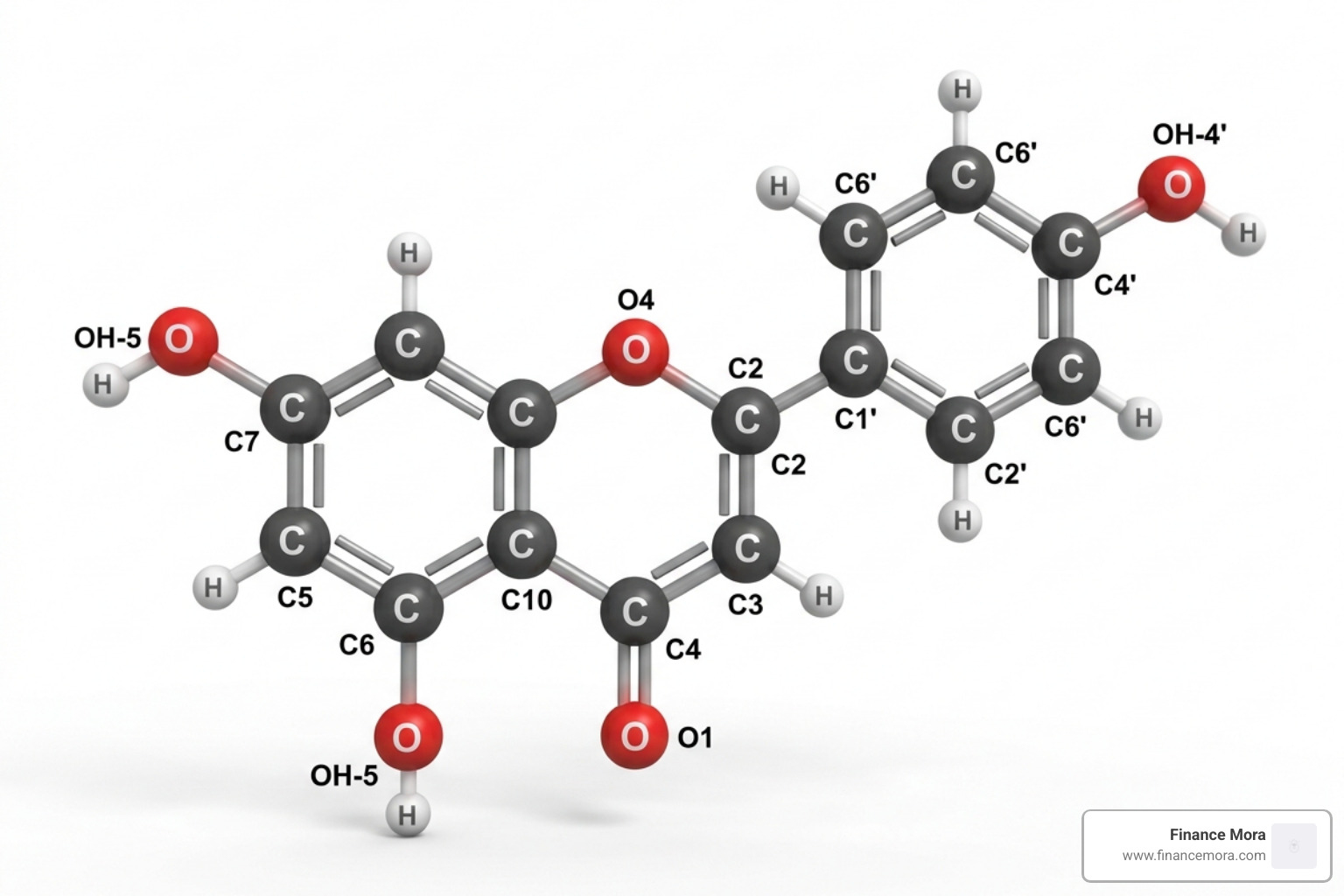
According to a Comparison between the Hypolipidemic Activity of Parsley and other herbs, parsley exerts a strong hypolipidemic (lipid-lowering) effect. It works through several fascinating mechanisms:
- Inhibition of Lipid Peroxidation: Oxidative stress causes LDL cholesterol to “rust” or oxidize. This oxidized LDL is what eventually turns into plaque in your arteries. The antioxidants in parsley, like Vitamin C and carotenoids, scavenge free radicals, preventing this oxidation and protecting the delicate lining of the blood vessels.
- Na+/K+-ATPase Inhibition: In the renal cortex, parsley helps inhibit this specific enzyme, which contributes to its diuretic effect. By reducing water retention and blood volume, it indirectly eases the strain on the cardiovascular system and helps maintain healthy blood pressure levels.
- Improving the HDL/LDL Ratio: Clinical models have shown that parsley doesn’t just lower the “bad” stuff; it actively promotes the production of HDL, the “good” cholesterol that carries fat away from the arteries and back to the liver for disposal.
Lipid Management Comparison
| Lipid Marker | Effect of Parsley Extract | Mechanism |
|---|---|---|
| LDL (Bad) Cholesterol | Significant Reduction | Inhibition of lipid peroxidation & bile acid binding |
| HDL (Good) Cholesterol | Significant Increase | Enhanced reverse cholesterol transport |
| Triglycerides | Moderate Reduction | Improved metabolic processing of dietary fats |
| VLDL | Significant Reduction | Decreased hepatic lipid synthesis |
How to Prepare Your Heart-Healthy Infusions
When we talk about a parsley herb cholesterol blend, the preparation method matters just as much as the ingredients. You might think eating it raw is best, but scientific research suggests otherwise for specific heart benefits.
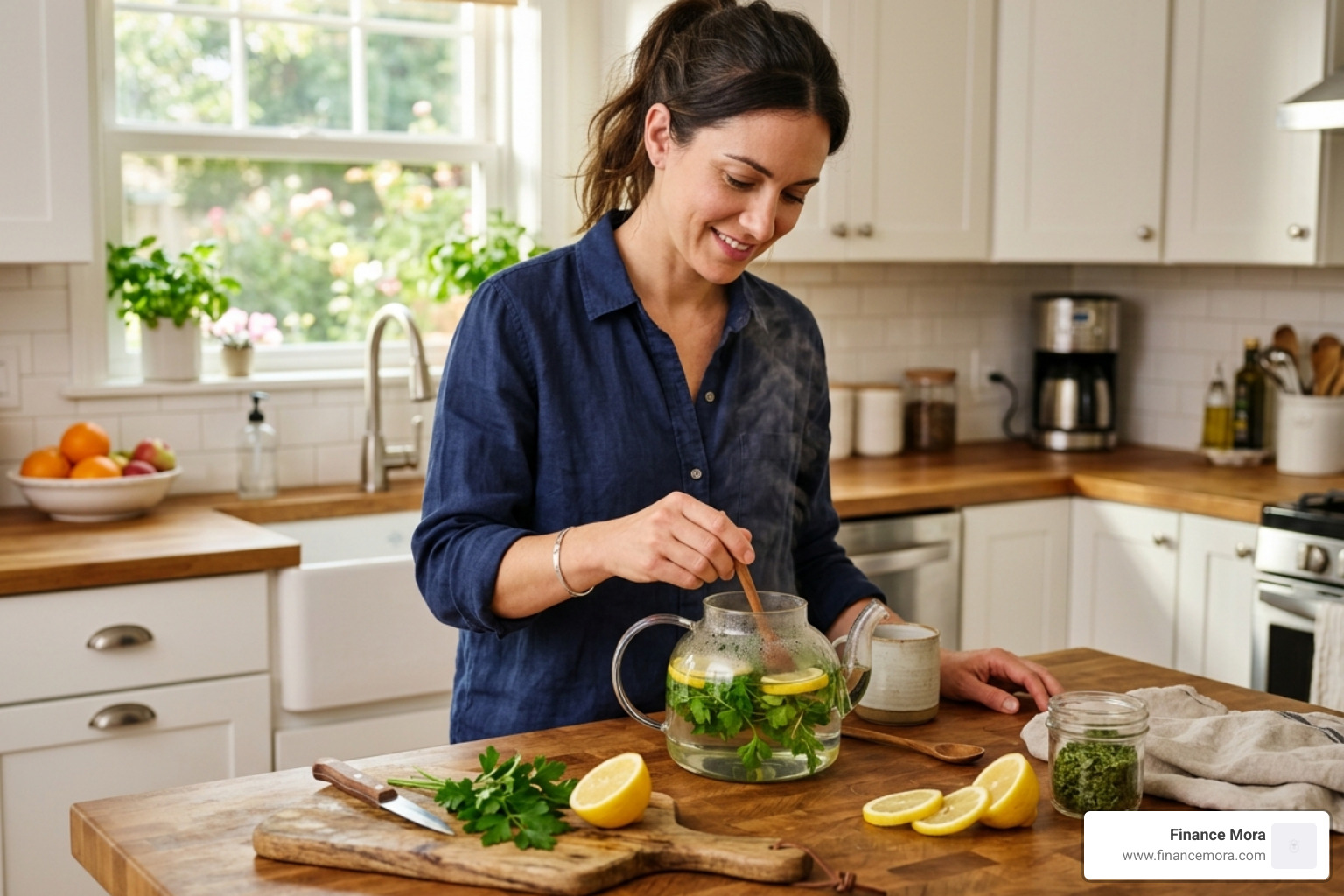
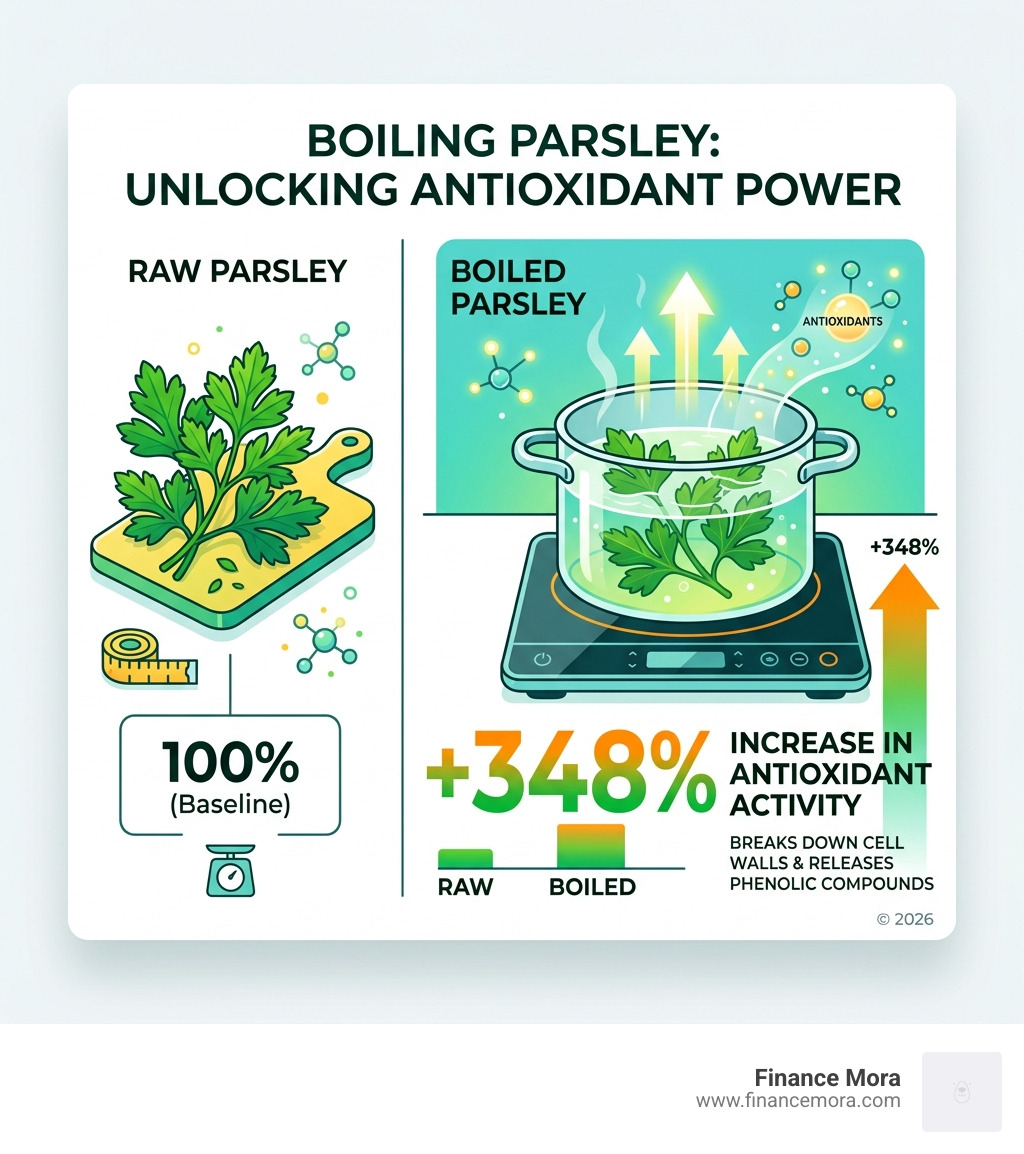
As we move into April 2026, the latest dietary guidelines emphasize the “bioavailability” of nutrients—how much your body actually absorbs. Interestingly, a study on heat-treated herbs found that boiling parsley significantly increases its total phenolic content and antioxidant capacity. While raw parsley is great for Vitamin C, boiling it helps release bound polyphenols that are crucial for cholesterol management.
According to Parsley Benefits to Reduce Cholesterol, temperature control is key. You don’t want to boil the herb into oblivion, but a controlled 5–10 minute steep in hot water (decoction or infusion) is the sweet spot for extracting those cardioprotective flavonoids.
Crafting Your Daily Parsley Herb Cholesterol Blend
To get the most out of your blend, we recommend a consistent daily routine. Here is our preferred “Finance Mora” method for a cost-effective, sustainable heart tonic:
- The Dosage: Use 1/4 cup (roughly 15 grams) of fresh organic parsley. If you are using dried parsley, 1 tablespoon (about 1 gram) is sufficient.
- The Extraction: Place the parsley in a cup and pour 250ml of boiling water over it.
- The Wait: Steep for exactly 8 minutes to maximize the phenolic release without making the tea overly bitter.
- The Flavor Balance: Strain the leaves. Avoid sugar, as it can contribute to weight gain and inflammation, negating the blend’s benefits. Instead, use a teaspoon of raw honey or a generous squeeze of fresh lemon.
- The Protocol: Drink 50ml of this concentrated blend daily. Many traditional practitioners suggest drinking it on an empty stomach, about 30 minutes before breakfast, to ensure the bioactive compounds are absorbed without interference from other foods.
Synergistic Ingredients for Maximum Impact
While parsley is powerful on its own, it works better as part of a team. In herbal medicine, this is called “synergy.” By combining parsley with other kitchen staples, you can create a metabolic powerhouse.

- Garlic: Garlic contains allicin, which is famous for its ability to lower blood pressure and cholesterol. When you combine garlic and parsley, you create a potent duo. In fact, some supplement makers claim that parsley can triple the effectiveness of garlic while also acting as a natural deodorizer for “garlic breath.”
- Lemon Juice: High in Vitamin C and citric acid, lemon juice helps the body absorb the iron found in parsley and adds another layer of antioxidant protection.
- Ginger: Adding a slice of ginger to your parsley herb cholesterol blend introduces gingerols, which have anti-inflammatory properties that complement parsley’s vaso-dilatory effects.
As noted in The Ultimate Guide to Cholesterol Reduction with Parsley, these combinations improve the “bioavailability” of the individual nutrients. It’s not just about what you eat; it’s about what your body can actually use.
Why a Parsley Herb Cholesterol Blend Outperforms Single Ingredients
Using a blend is smarter for your health and your wallet. By using a variety of herbs, you target cholesterol through multiple pathways:
- Diuretic Properties: Parsley helps reduce blood volume by flushing out excess sodium.
- Weight Loss Support: A blend of parsley and lemon can boost metabolism. Since weight loss is a major factor in lowering cholesterol, this “simple math” helps you reach your goals faster.
- Nutrient Absorption: The healthy fats in a meal (like olive oil) paired with a parsley garnish can help you absorb the fat-soluble Vitamin K found in the herb.
Safety, Dosage, and Medication Interactions
We always advocate for a “safety first” approach. While parsley is a common food, using it in concentrated medicinal amounts requires some caution.
According to the FAQ Is parsley bad for cholesterol?, there are specific groups who should be careful:
- Blood Thinners: Parsley is extremely high in Vitamin K, which is the body’s primary tool for blood clotting. If you are taking medications like Warfarin (Coumadin), sudden changes in parsley intake can interfere with your medication.
- Kidney Health: Parsley contains oxalates and can act as a potent diuretic. Those with existing kidney disease or those prone to kidney stones should consult a doctor, as parsley can increase urine acidity and volume.
- Pregnancy: In very high doses, parsley contains myristicin and apiole, which can stimulate uterine contractions. It is best to stick to culinary amounts during pregnancy.
- Skin Sensitivity: Parsley contains psoralen compounds. In some people, handling large amounts of parsley and then going into the sun can cause “photodermatitis,” a type of skin rash.
Always speak with your healthcare provider before adding a concentrated parsley herb cholesterol blend to your routine, especially if you are already on statins or blood pressure medication.
Frequently Asked Questions about Parsley and Cholesterol
Can parsley replace my prescribed statins?
Absolutely not. While we love the power of plants, a parsley herb cholesterol blend is a supportive dietary tool, not a replacement for medical treatment. In April 2026, cardiovascular protocols emphasize “integrative medicine”—using the best of nature alongside the best of modern science. Always consult your doctor before changing any prescription regimen.
How long does it take to see results from a parsley blend?
Consistency is the name of the game. Animal studies usually show significant changes in lipid profiles within a 45-day window. For humans, variability is higher due to diet and genetics, but most people may notice improvements in their overall “feeling” of health and digestion within a few weeks of consistent use.
Is it better to eat parsley raw or boiled for cholesterol?
This is a great question! For pure Vitamin C, raw is excellent. However, for a parsley herb cholesterol blend aimed at lipid management, boiling is actually superior. A 2024 study showed that boiling parsley can lead to a 348% increase in antioxidant activity by breaking down cell walls and releasing more phenolic compounds into the water.
Conclusion
At Finance Mora, we believe that the path to a wealthier life starts with a healthier body. Incorporating a parsley herb cholesterol blend into your daily routine is a perfect example of “smarter financial growth and greener living.” Instead of spending a fortune on expensive “superfood” powders shipped from across the globe, you can grow a pot of parsley on your windowsill for pennies. This reduction in healthcare costs and grocery bills directly contributes to your long-term financial stability and personal wealth management.
By choosing home-grown, organic herbs, you reduce your carbon footprint and take control of your cardiovascular health. It’s a small, eco-friendly step that pays massive dividends for your heart and your bank account. Investing in your health today is the most reliable way to ensure you can enjoy the fruits of your financial labor tomorrow without the burden of preventable medical expenses.
To learn more about how to integrate wellness with a sustainable lifestyle, visit us at Smarter financial growth and greener living. Your heart—and your future self—will thank you.
