
Why Green Juice Could Be Your Heart’s Best Friend
Green juice to lower cholesterol is one of the simplest dietary shifts you can make for your heart health. Here’s a quick look at what actually works:
Best green juice ingredients for lowering cholesterol:
| Ingredient | Key Benefit |
|---|---|
| Spinach | Phytosterols block cholesterol absorption |
| Kale | Antioxidants reduce LDL oxidation |
| Celery | Supports healthy blood pressure |
| Green apple | Soluble fiber (pectin) traps cholesterol |
| Ginger | Reduces LDL and raises HDL |
| Cucumber | Low-calorie hydration base |
| Lemon | Antioxidant support |
Quick answer: Blending leafy greens, green apple, cucumber, and ginger into a daily smoothie gives your body fiber, antioxidants, and plant sterols — compounds that actively work to reduce LDL (“bad”) cholesterol over time.
Nearly 86 million American adults over age 20 have high cholesterol. Most don’t even know it, because there are no symptoms.
The good news? What you drink every morning can genuinely move the needle.
A plant-based diet that included green smoothies helped one person with a family history of high cholesterol drop their LDL by 45 points — without medication. That’s not magic. That’s fiber, healthy fats, and antioxidants doing their job.
This guide walks you through exactly how to make green juice that supports lower cholesterol — with real recipes, the science behind each ingredient, and practical tips you can use starting tomorrow.
The Science of Using Green Juice to Lower Cholesterol
When we talk about green juice to lower cholesterol, we aren’t just talking about a “health trend” from April 2026. We are looking at specific biological mechanisms that help your body manage lipids. Cholesterol is a waxy, fat-like substance that our bodies actually need to build cells and produce hormones. However, the trouble starts when we have too much Low-Density Lipoprotein (LDL), often called “bad” cholesterol.
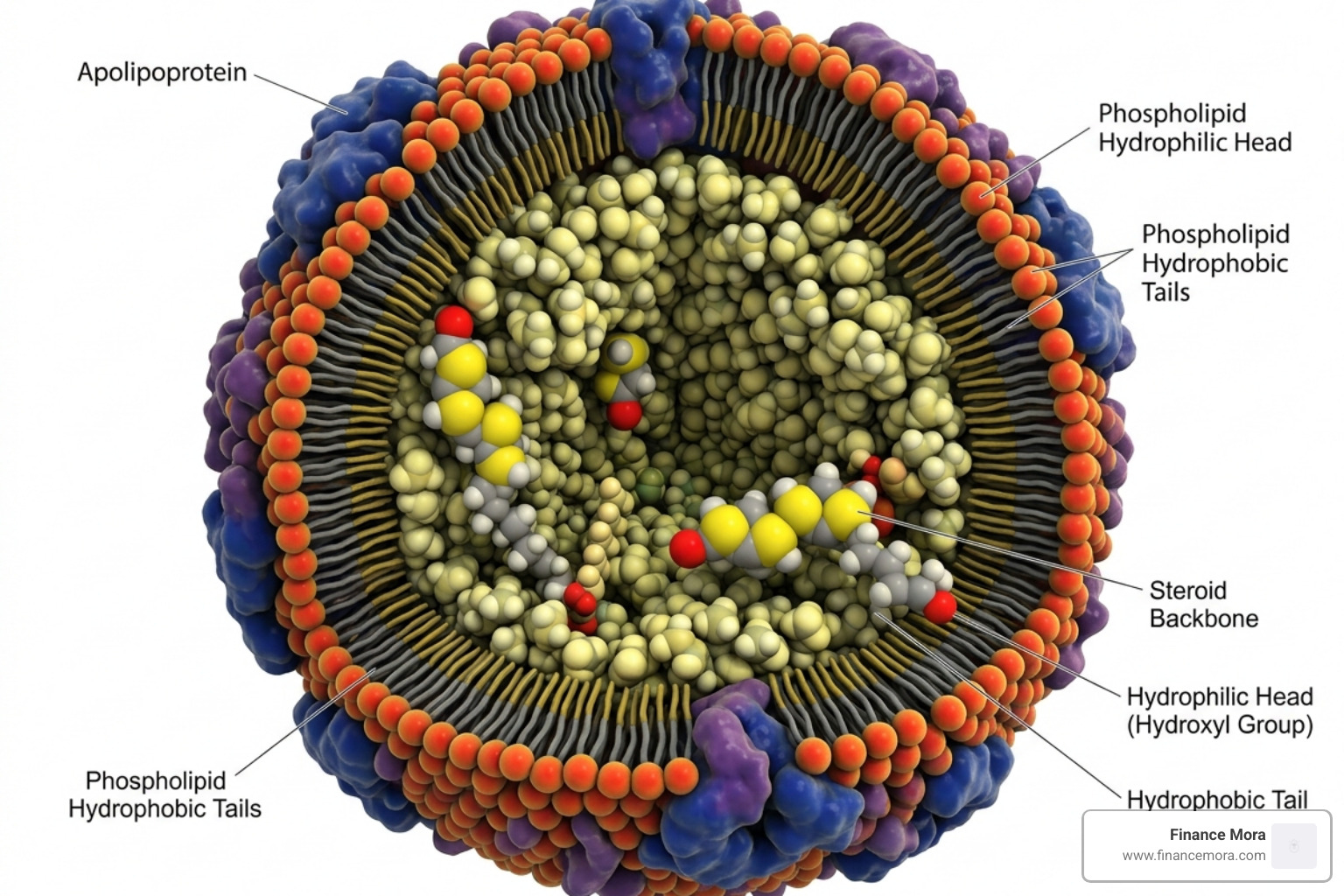
High levels of LDL can lead to atherosclerosis, which is the hardening and narrowing of the arteries due to plaque buildup. This is why managing these levels is critical for heart health. Green juices and smoothies act as delivery vehicles for compounds that interfere with this process. According to Scientific research on juice efficacy, certain plant-based drinks can significantly impact serum lipid levels by providing the body with the tools it needs to eliminate excess fats.
One of the most powerful roles of green juice is providing antioxidant protection. When LDL cholesterol becomes oxidized, it is much more likely to contribute to arterial plaque. The vitamins and polyphenols found in green vegetables act as a protective shield, preventing this oxidation and keeping your blood vessels clear.
Leafy Greens and Fiber in Green Juice to Lower Cholesterol
The “green” in your juice usually comes from heavy hitters like spinach and kale. These aren’t just for color; they are packed with nitrates and fiber. Nitrates help stimulate nitric oxide production, which relaxes and opens your blood vessels, supporting healthy blood pressure.
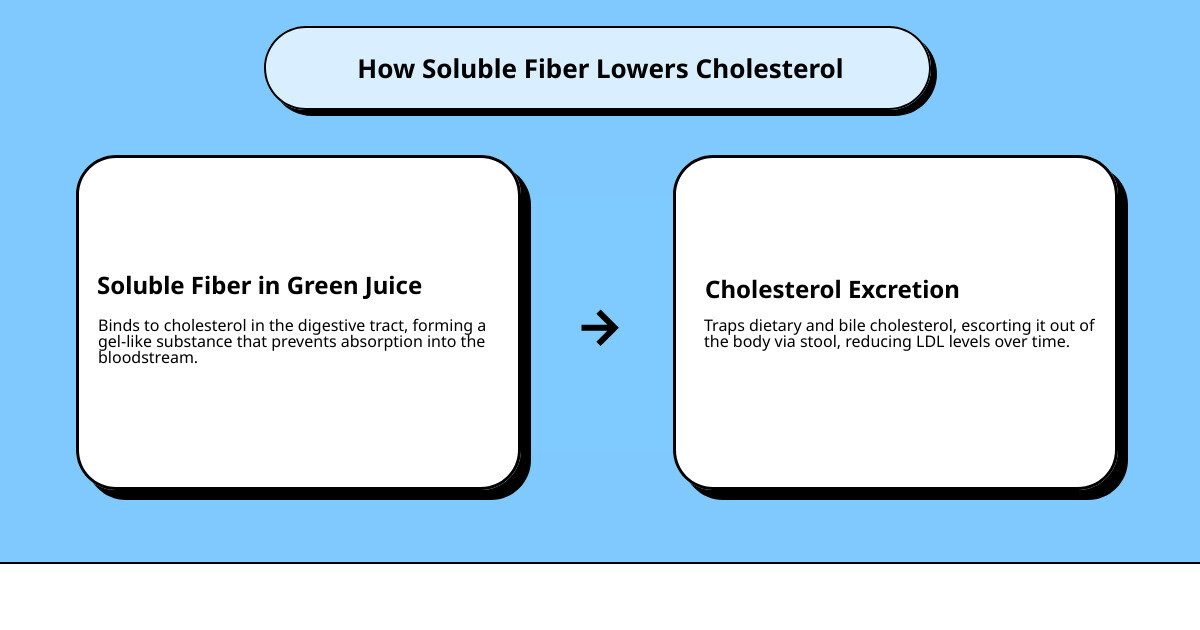
More importantly, leafy greens are a source of soluble fiber. If fiber were a superhero, its power would be its ability to pass through your body without being broken down. Soluble fiber dissolves into a gel-like substance in your gut. This gel “traps” cholesterol and bile acids, preventing them from being reabsorbed into your bloodstream and instead ushering them out of the body. A Study on leafy greens and blood pressure highlights how these vegetables are essential for anyone looking to manage their cardiovascular risk naturally.
Plant Sterols and Nutrient Absorption
Another secret weapon in your green blend is plant sterols (also known as phytosterols). These are plant-based compounds that are structurally very similar to cholesterol. Because they look so much alike, they compete with cholesterol for absorption in your small intestine.
Think of it like a game of musical chairs: if the plant sterols take the seats first, the cholesterol has nowhere to go and is eventually eliminated. Research suggests that consuming about 2 grams of plant sterols or stanols per day can lower LDL cholesterol by 5% to 15%. While leafy greens contain some sterols naturally, adding ingredients like fortified soy milk or certain nuts and seeds can help you reach that 2g goal more effectively.
Top Ingredients for Your Heart-Healthy Blend
To get the most out of your green juice to lower cholesterol, you need to choose your ingredients with intention. We want a mix that balances flavor with high-impact nutrients.
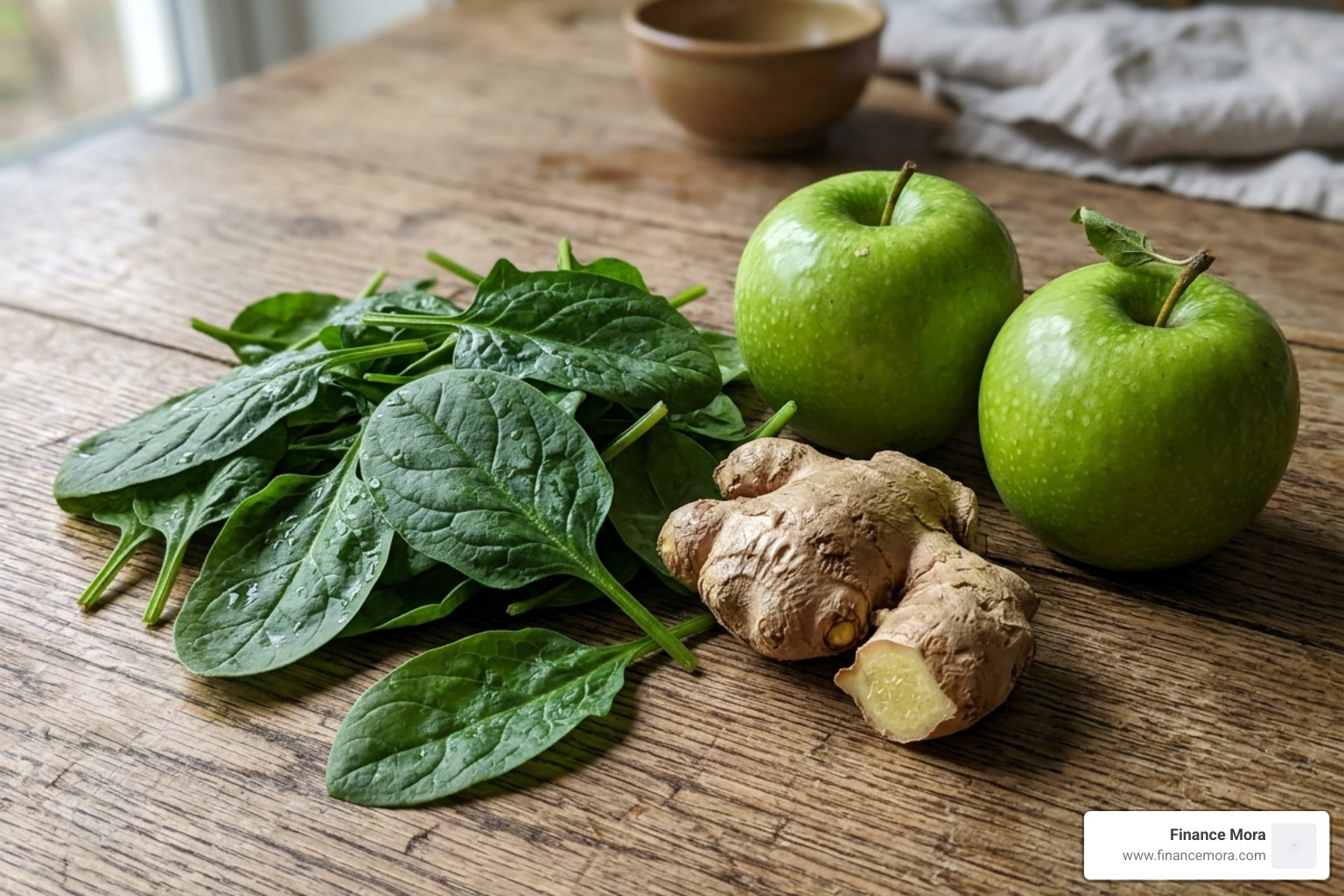
- Spinach: Mild in flavor but high in phytosterols and lutein, which helps prevent cholesterol from sticking to artery walls.
- Kale: A powerhouse of vitamins A, C, and K, plus antioxidants like quercetin that fight inflammation.
- Cucumber: Provides a hydrating base and contains fiber that supports digestion.
- Celery: Contains phthalides, which help relax artery walls to lower blood pressure.
- Green Apple: Adds natural sweetness and pectin, a specific type of soluble fiber proven to lower LDL.
- Lemon: High in Vitamin C and citrus flavonoids that improve heart health.
- Ginger: Adds a “zing” and has been shown in studies to reduce total cholesterol and triglycerides.
Fiber-Rich Green Juice to Lower Cholesterol
While traditional juicing removes the pulp, we often recommend “blending” or using high-fiber additives to maximize the cholesterol-lowering effect. According to the Nutritional breakdown of heart-healthy ingredients, adding just a few tablespoons of certain seeds can double your fiber intake.
- Oats: Contain beta-glucan, a type of fiber that specifically inhibits cholesterol absorption. A 250 mL glass of oat milk can provide about 1g of beta-glucans.
- Chia Seeds: These can absorb 12 times their weight in water, helping you feel full while providing omega-3 fatty acids.
- Flaxseed: Must be ground for the best absorption. They are one of the richest sources of lignans and fiber.
- Pectin: Found in the skins of apples and pears, this is the “gold standard” for soluble fiber in fruit.
Healthy Fats and Protein Add-ins
You might think “fat” is the enemy when dealing with cholesterol, but the right fats are actually part of the solution. Monounsaturated and polyunsaturated fats help increase your “good” HDL cholesterol, which acts like a cleanup crew, picking up excess LDL and taking it back to the liver.
- Avocado: This “berry” (yes, it’s a fruit!) provides creamy texture and heart-healthy monounsaturated fats.
- Soy Milk: Soy protein is unique because it has been shown to directly decrease LDL levels.
- Almond Butter: Adds protein and Vitamin E, an antioxidant that prevents plaque buildup.
Proven Recipes: How to Make Green Juice to Lower Cholesterol
Making your own green juice to lower cholesterol at home is easier than you think. Whether you have a dedicated juicer or a standard high-speed blender, you can whip these up in under 15 minutes.
When using a blender, we suggest adding a little extra liquid (like coconut water or soy milk) to ensure a smooth consistency. If you prefer a thinner “juice” feel, you can strain the mixture through a fine-mesh bag, though you will lose some of that precious fiber. For the best heart-health results, try to keep as much of the “pulp” as possible! Check out this Homemade Green Juice Recipe for a great starting point.
The Ultimate Green Detox Smoothie
This recipe is designed to be refreshing and light, focusing on cleansing the system and providing a massive dose of Vitamin C.
- 1 cup chopped kale (stems removed)
- 1/2 cucumber
- Juice of 1/2 lemon
- 1 cup coconut water
- 1-inch piece of fresh ginger
- 1/2 green apple
Instructions:
- Add the coconut water and lemon juice to the blender first.
- Add the kale and ginger. Blend on low until the greens are broken down.
- Add the cucumber and apple.
- Increase speed to high and blend for 45 seconds until completely silky.
The Creamy Oat and Spinach Blend
This is more of a “meal replacement” style smoothie. It’s perfect for breakfast because it includes slow-burning carbs and protein.
- 1 cup baby spinach
- 1/2 cup rolled oats (or 1 cup oat milk)
- 1 cup unsweetened soy milk
- 1 tablespoon ground flaxseed
- 1/2 frozen banana (for creaminess)
- A dash of cinnamon
Instructions:
- If using rolled oats, blend them alone first to create a fine “flour.”
- Add the soy milk and spinach.
- Add the flaxseed, banana, and cinnamon.
- Blend until smooth. The oats and flax will thicken the drink, so add more milk if you prefer a thinner consistency.
Juicing vs. Blending: Which is Better for Your Heart?
This is a common debate in the health community. While both have benefits, they serve different purposes for cholesterol management.
| Feature | Juicing (Extractor) | Blending (Smoothie) |
|---|---|---|
| Fiber Content | Very Low (Pulp is removed) | High (Whole plant used) |
| Nutrient Density | High (Concentrated vitamins) | Balanced |
| Satiety (Fullness) | Low | High |
| Cholesterol Impact | Good (Antioxidants) | Excellent (Fiber + Antioxidants) |
| Glycemic Response | Faster sugar absorption | Slower (Better for blood sugar) |
For lowering cholesterol, blending wins. The fiber retention is the key factor. Without the fiber, you lose the “trap” that helps pull cholesterol out of your digestive system. However, if you find it difficult to eat enough vegetables, a cold-pressed green juice is still infinitely better than a sugary soda or a coffee with heavy cream.
Potential Risks and Precautions
While green juice is generally safe, there are a few things to keep in mind:
- Vitamin K Interactions: Leafy greens like kale and spinach are very high in Vitamin K. If you are on blood-thinning medication (like Warfarin), sudden changes in your Vitamin K intake can interfere with your medicine. Always talk to your doctor before starting a daily green juice habit.
- Oxalates: Spinach and beets are high in oxalates, which can contribute to kidney stones in susceptible individuals.
- Sugar Content: Be careful with how much fruit you add. While apples and berries are great, adding too many can spike your blood sugar. Stick to a ratio of 3 parts vegetable to 1 part fruit.
- Juice Fasting Risks: We do not recommend “juice cleanses” or fasting for long periods. These can be dangerous and often lead to muscle loss and nutrient deficiencies. Green juice should be part of a balanced diet, not the whole diet.
Integrating Green Smoothies into a Sustainable Lifestyle
At Finance Mora, we believe that health is the ultimate form of wealth. Just as you wouldn’t expect a single investment to fund your entire retirement, you shouldn’t expect one green juice to fix your heart health overnight. It’s about the “compound interest” of daily habits.
To see real changes in your lipid panel, combine your green juice to lower cholesterol with proven dietary patterns:
- The Portfolio Diet: Focuses on four key “pillars”: nuts, plant protein (soy), viscous fiber (oats/barley), and plant sterols.
- The DASH Diet: Emphasizes fruits, vegetables, and low-fat dairy to lower blood pressure.
- The Mediterranean Diet: Rich in olive oil, fish, and whole grains.
Beyond diet, the American Heart Association recommends at least 150 minutes of moderate exercise per week. Whether it’s a brisk walk, cycling, or swimming, moving your body helps raise your HDL (“good”) cholesterol.
Timing and Consistency for Best Results
When is the best time to drink your green blend? Many experts suggest the morning. Drinking a fiber-rich smoothie for breakfast sets a healthy tone for the day and ensures you get your nutrients before life gets busy.
Consistency is key. While it’s great to participate in National Cholesterol Month awareness, heart health is a year-round commitment. Try to make juicing or blending as easy as possible. You can prep “smoothie packs” by putting your greens, ginger, and fruit into freezer bags on Sunday night. In the morning, just dump the bag into the blender, add your liquid, and go!
Frequently Asked Questions about Cholesterol-Lowering Drinks
How much green juice should I drink daily?
For most people, one 8-ounce to 12-ounce serving per day is perfect. This provides a significant nutrient boost without overdoing the calories or sugar.
Can green juice replace my cholesterol medication?
No. Never stop taking prescribed medication like statins without consulting your doctor. Green juice is a powerful supplementary tool that can help your body work more efficiently, but it is not a direct substitute for medical treatment.
What is the best time of day to drink a green smoothie?
Morning is often best. Consuming fiber and plant sterols with your first meal of the day can help manage cholesterol absorption from the start. However, a green smoothie also makes an excellent afternoon snack to prevent you from reaching for processed, high-fat treats.
Conclusion
Lowering your cholesterol doesn’t have to be a tasteless or “medical” experience. By incorporating a delicious green juice to lower cholesterol into your routine, you are taking a proactive step toward a longer, more vibrant life.
At Finance Mora, we are dedicated to helping you achieve a lifestyle that is both financially sound and ecologically sustainable. Choosing whole, plant-based foods is not just good for your heart — it’s often better for your wallet and the planet, too. Start with one of the recipes above, keep your body moving, and remember that small, consistent changes lead to the biggest results.
Visit our website to start your journey toward a healthier, greener lifestyle today!
